In today’s highly regulated industries, where health, safety, and hygiene are paramount, non-toxic solenoid valves have emerged as a critical component in various fluid control systems. These valves, designed to operate without releasing harmful substances, are especially essential in sectors such as food and beverage, pharmaceuticals, cosmetics, and water treatment. This article explores the functionality, key features, applications, and the importance of non-toxic solenoid valves in modern industrial settings.
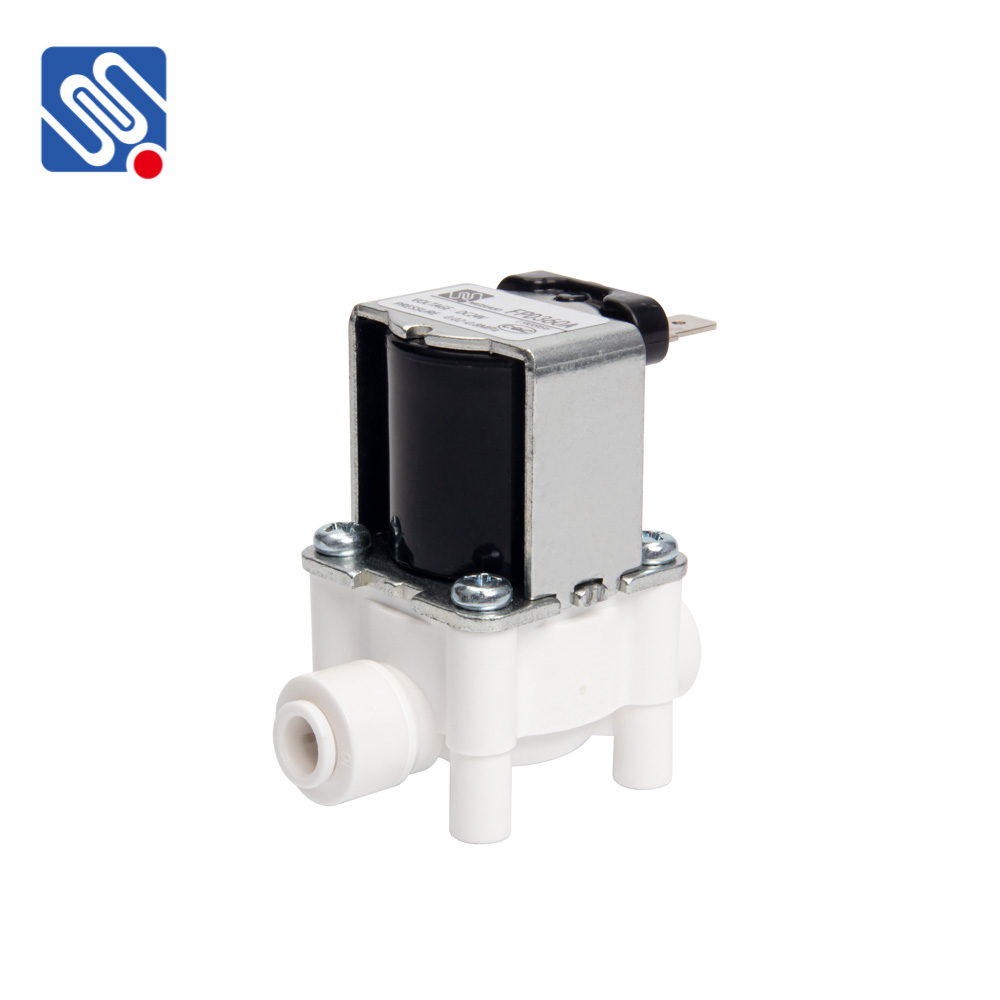
What is a Non-toxic Solenoid Valve? A solenoid valve is an electromechanical device used to control the flow of liquids or gases in a system by using an electric current to create a magnetic field that moves a valve component. In the case of non-toxic solenoid valves, the materials used in their construction are specifically chosen to ensure that they do not leach harmful substances into the medium being controlled. This makes them particularly suitable for industries where contamination can have severe consequences, such as the food and beverage industry, pharmaceuticals, and water treatment.