In modern industrial systems, the need for precise and safe fluid control is crucial, especially when dealing with applications where contamination can have serious consequences. One component that has gained significant importance in ensuring this safety is the non-toxic solenoid valve. These valves, designed to prevent harmful substances from leaking into the fluid flow, are essential in various industries, including food and beverage, water treatment, pharmaceuticals, and medical equipment. This article delves into the functionality, importance, and applications of non-toxic solenoid valves, exploring how they contribute to a safe and efficient fluid control system.
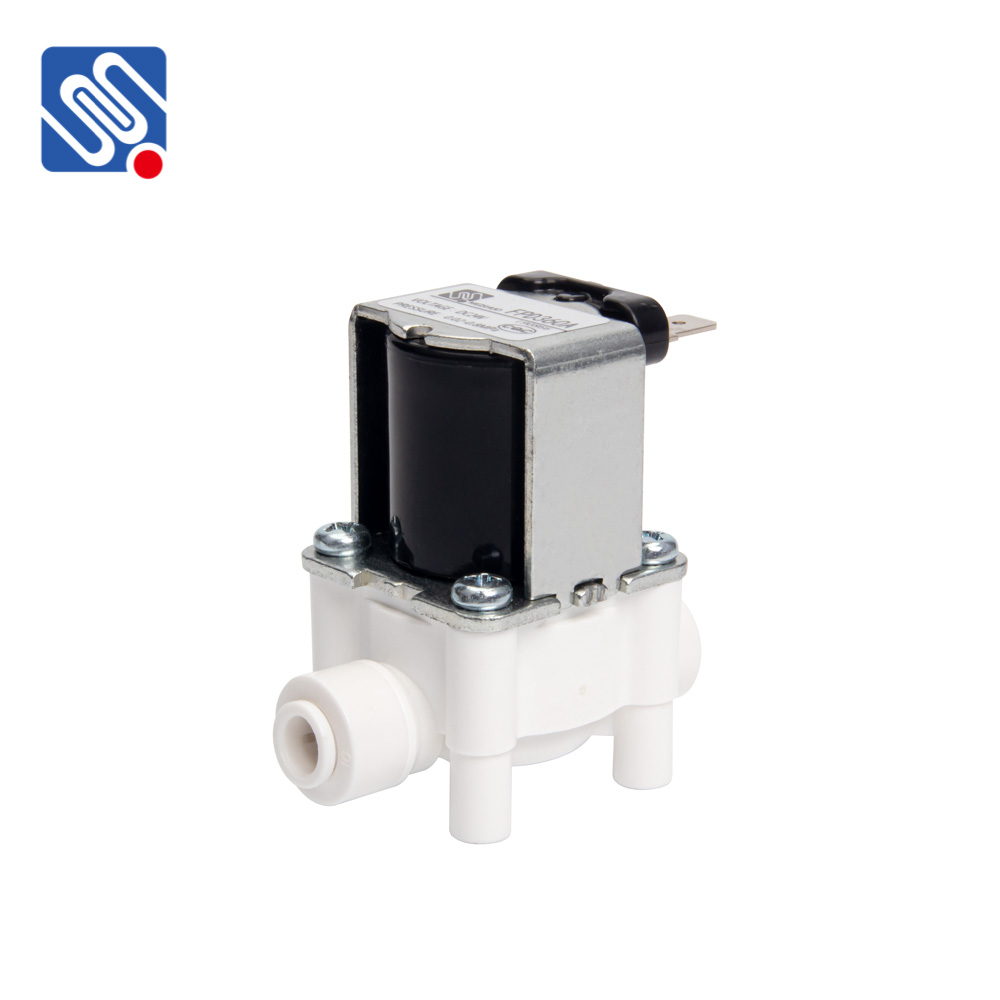
What is a Non-toxic Solenoid Valve? A solenoid valve is an electromechanical device used to control the flow of liquids or gases in a system. It works by utilizing an electromagnetic solenoid to actuate the valve, opening or closing it based on the electrical current supplied to the solenoid coil. In a non-toxic solenoid valve, special care is taken to select materials that are free from harmful chemicals, ensuring that the fluids passing through the valve are not contaminated by toxic substances. The non-toxic designation generally refers to the materials used in the valve construction. These valves are made from food-grade, medical-grade, or environmentally safe materials, ensuring that they do not release harmful substances when in contact with the controlled fluid. Common materials for non-toxic solenoid valves include stainless steel, certain types of plastic, and elastomers that comply with safety standards such as FDA, NSF, or ISO certifications.