New Energy Vehicles (NEVs), including electric vehicles (EVs), plug-in hybrid electric vehicles (PHEVs), and hydrogen fuel cell vehicles, have revolutionized the automotive industry in recent years. These vehicles are seen as a sustainable solution to combat environmental issues such as pollution and greenhouse gas emissions. However, the transition to NEVs also comes with its own set of challenges, particularly in terms of electrical components and systems that are critical for vehicle performance, safety, and efficiency. One of the most important components in this regard is the New Energy Vehicle Relay, which plays a pivotal role in the management and protection of these advanced vehicles’ electrical systems.
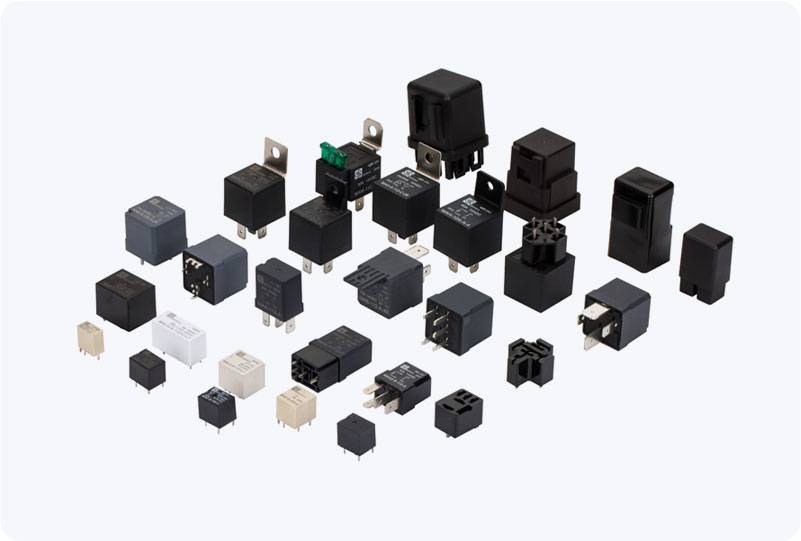
Understanding the Role of New Energy Vehicle Relay A relay is an electrically operated switch that uses an electromagnetic coil to open or close a circuit. In the context of NEVs, relays are used to control and protect high-voltage systems that power the vehicle. The New Energy Vehicle Relay typically serves multiple functions within the electrical system, including the management of power distribution, battery protection, and the control of key components like the electric motor and charging system. NEVs require high-voltage relays due to their dependence on large, high-capacity batteries that operate at voltages significantly higher than conventional internal combustion engine (ICE) vehicles. These high-voltage systems can reach anywhere from 300V to 800V, depending on the vehicle’s design. Given the increased power demands and the need for fast, reliable response times, the relay must meet stringent standards for voltage endurance, reliability, and speed of operation.