A Motor Overload Relay (OLR) is an indispensable electrical device that plays a vital role in safeguarding electric motors from damage caused by excessive current flow. It is designed to prevent overheating, ensuring the longevity and reliability of the motor. In this article, we will explore the function, working principle, types, and key considerations when selecting and using motor overload relays.
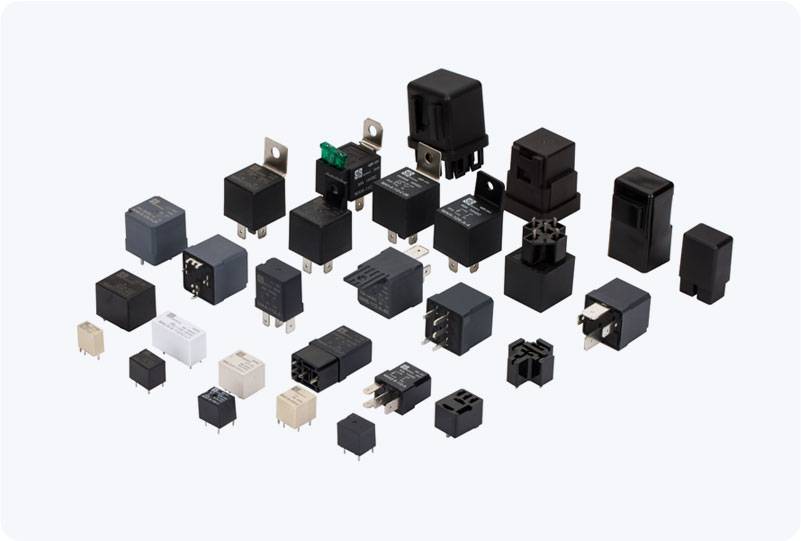
1. Understanding the Role of a Motor Overload Relay Electric motors are essential components in various industrial and commercial applications. They are used in a wide range of equipment, from HVAC systems and conveyors to pumps and compressors. Despite their importance, motors are vulnerable to damage from excessive current or operating conditions, which can cause overheating and lead to costly repairs or failure. The primary function of a motor overload relay is to monitor the current flowing through the motor. If the current exceeds a preset value for a specific amount of time, the relay will activate and disconnect the motor from the power source. This action protects the motor from prolonged exposure to conditions that could otherwise cause irreparable harm, such as thermal damage to the windings or insulation breakdown.