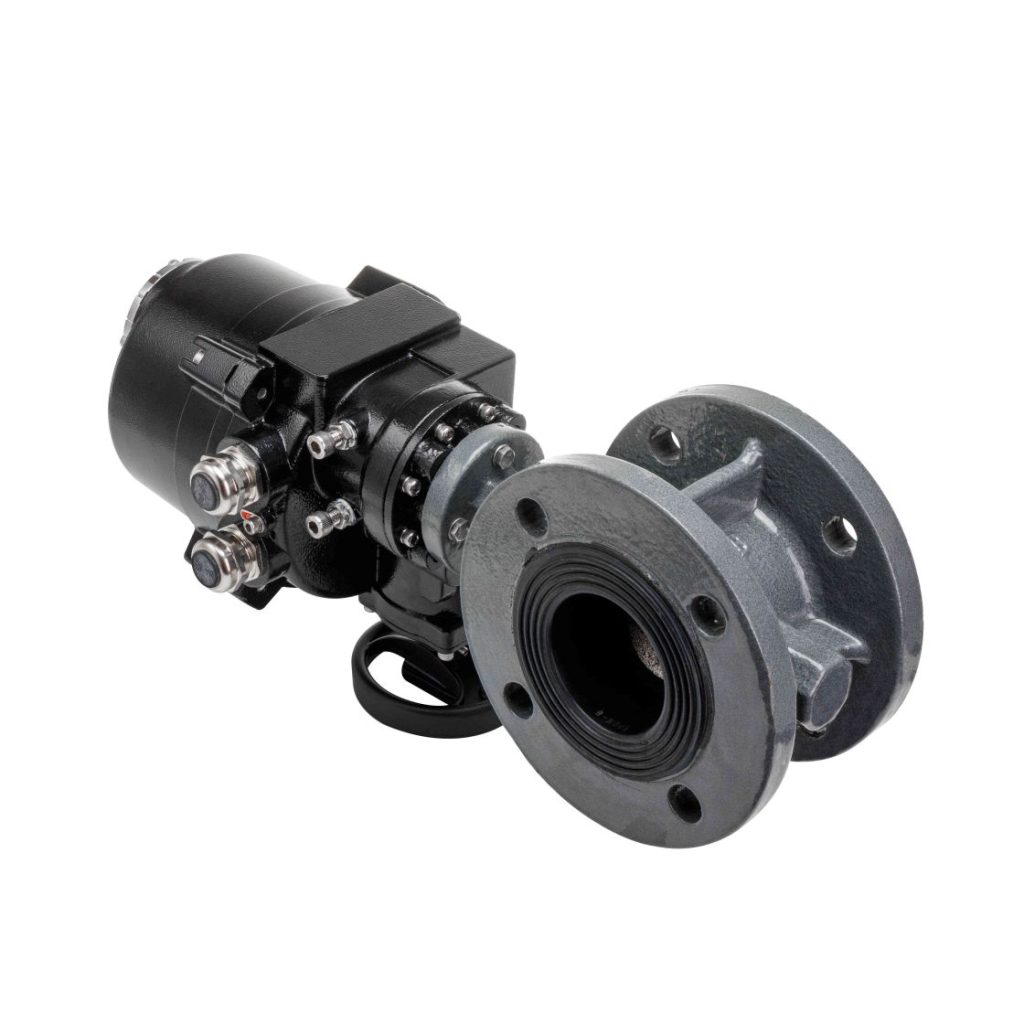
The marine industry has long relied on a range of sophisticated equipment to ensure the safe and efficient operation of vessels and offshore platforms. One such critical component is the marine electric ball valve, which plays a vital role in regulating the flow of fluids within various marine systems. These valves are used extensively in applications ranging from water treatment to fuel management, and their efficient performance is key to maintaining operational integrity at sea.
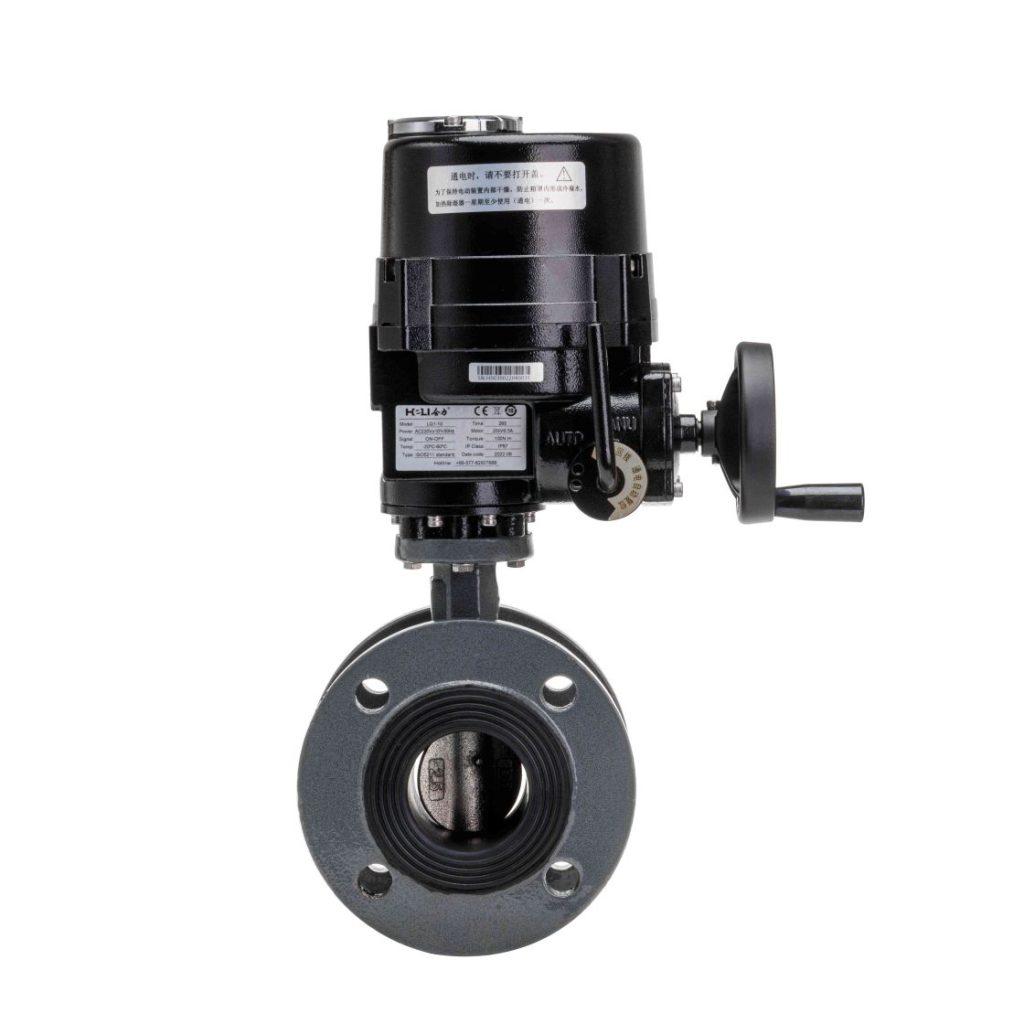
The Importance of Marine Electric Ball Valves
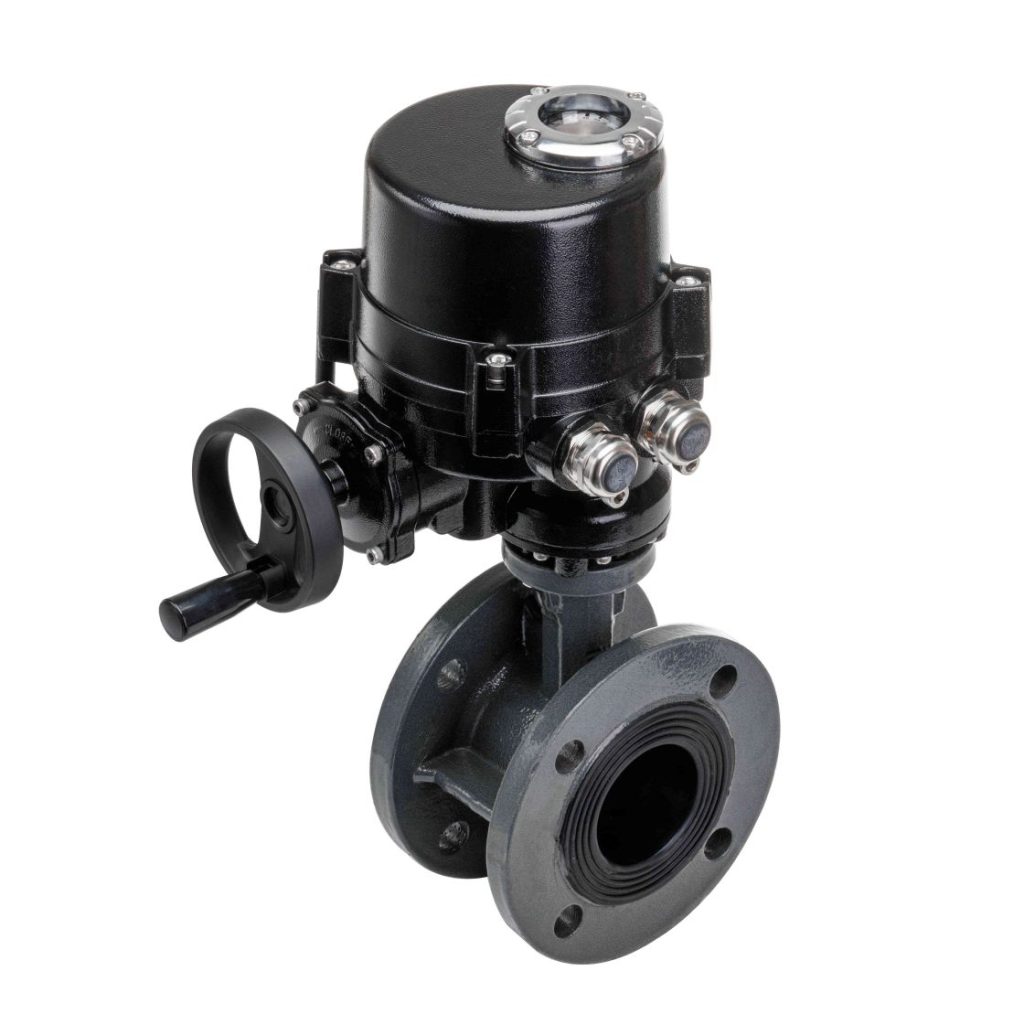
A marine electric ball valve is a mechanical device designed to control the flow of liquids and gases within a pipeline by using a rotating ball with a hole through its center. When the valve is open, the fluid flows through the hole, and when closed, the ball rotates to block the flow. These valves are particularly well-suited for marine applications due to their durability, ease of operation, and resistance to corrosion from harsh marine environments. Unlike manual ball valves, electric ball valves are equipped with an electric actuator, allowing for automatic operation via electrical signals. This feature is particularly useful in the marine industry, where remote control and automated systems are essential for minimizing human intervention and improving operational safety. The precise control and reliability offered by electric actuators are invaluable for marine engineers and operators, who rely on them to regulate various fluid systems on ships and offshore structures.