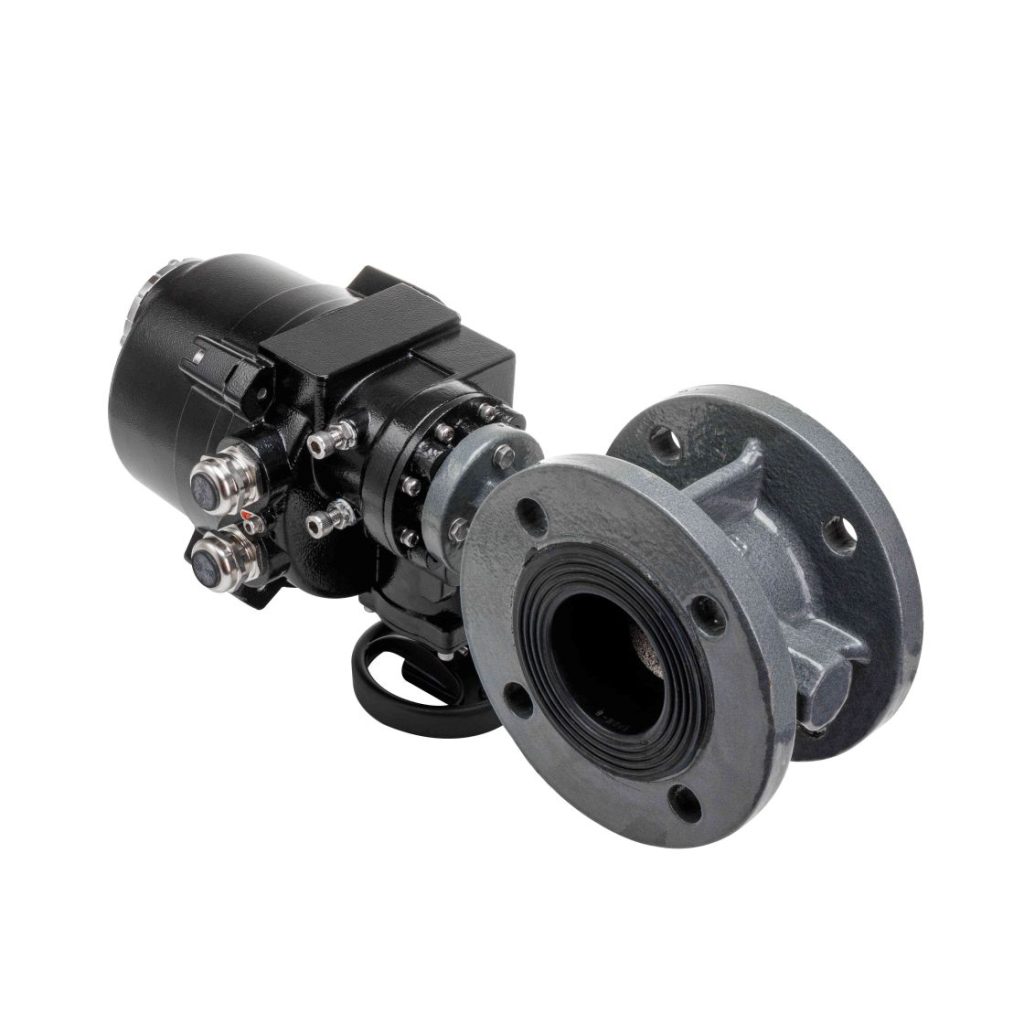
In the world of marine engineering and offshore operations, effective fluid control is crucial to ensure the smooth functioning of systems that support critical processes, such as fuel distribution, water treatment, and chemical handling. One of the key components that ensure this functionality is the Marine Electric Ball Valve. These valves are used extensively in shipbuilding, offshore drilling platforms, and other marine applications due to their efficiency, reliability, and ability to automate fluid flow control. This article explores the features, benefits, and applications of the Marine Electric Ball Valve and how it has revolutionized fluid control in the marine industry.
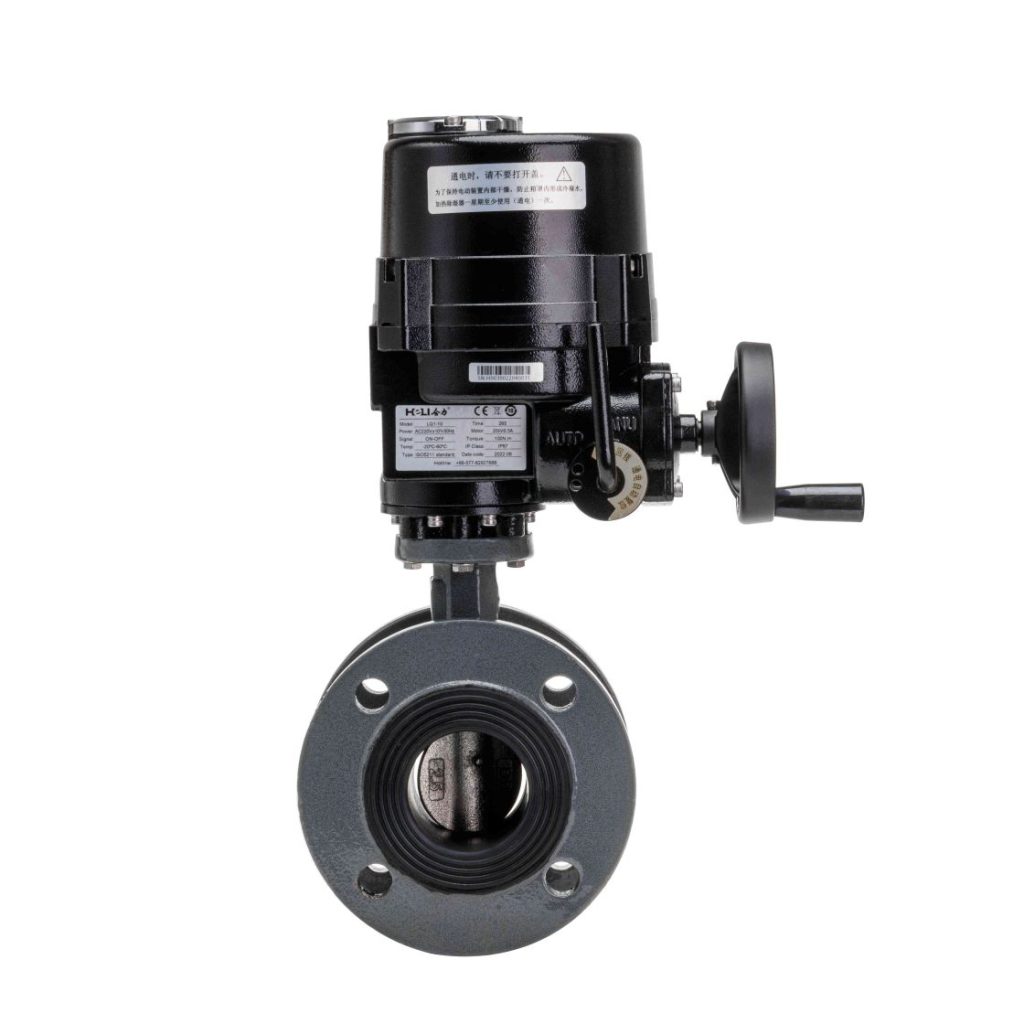
Understanding the Marine Electric Ball Valve
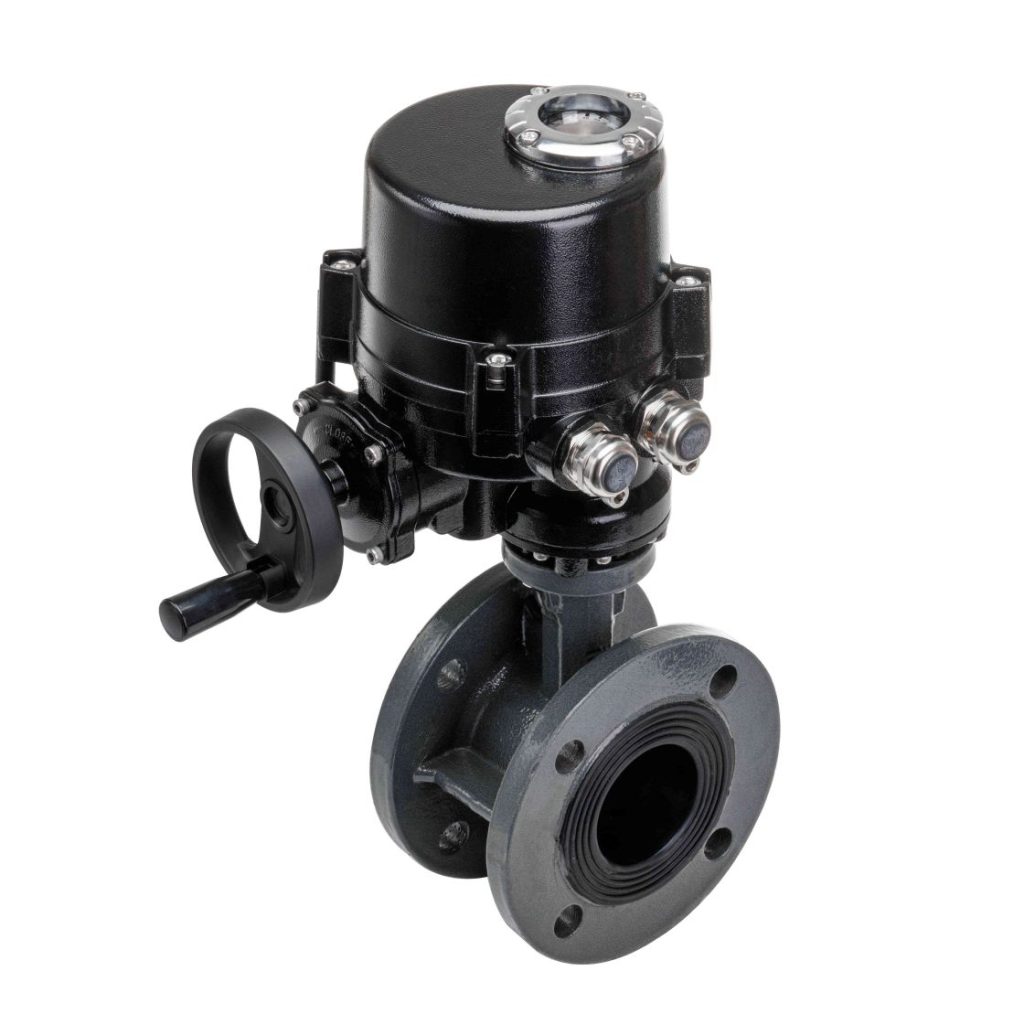
A Marine Electric Ball Valve is a type of valve that uses an electric actuator to operate a spherical ball inside the valve body, which controls the flow of fluids or gases. Unlike traditional manual valves, the electric ball valve uses electrical signals to open or close the valve, making it ideal for remote control and automated systems. The ball within the valve has a hole in the center, which, when aligned with the pipe, allows fluid to pass through. When the valve is closed, the ball rotates 90 degrees to block the flow. Electric ball valves are available in two main configurations: on/off control (which simply opens or closes the valve) and modulating control (which adjusts the flow rate based on feedback signals, offering precise control of the flow).