In industrial and manufacturing environments, ensuring the safety of workers during machine maintenance and repair is a top priority. The LOTO (Lockout-Tagout) safety lock system plays a critical role in preventing workplace accidents and ensuring the safety of employees when working with hazardous machinery. By implementing effective LOTO procedures, companies can significantly reduce the risk of injuries caused by unexpected machine startups, electrical hazards, and mechanical failures. This article explores the importance of the LOTO safety lock system and its various components that help safeguard employees in hazardous work environments.
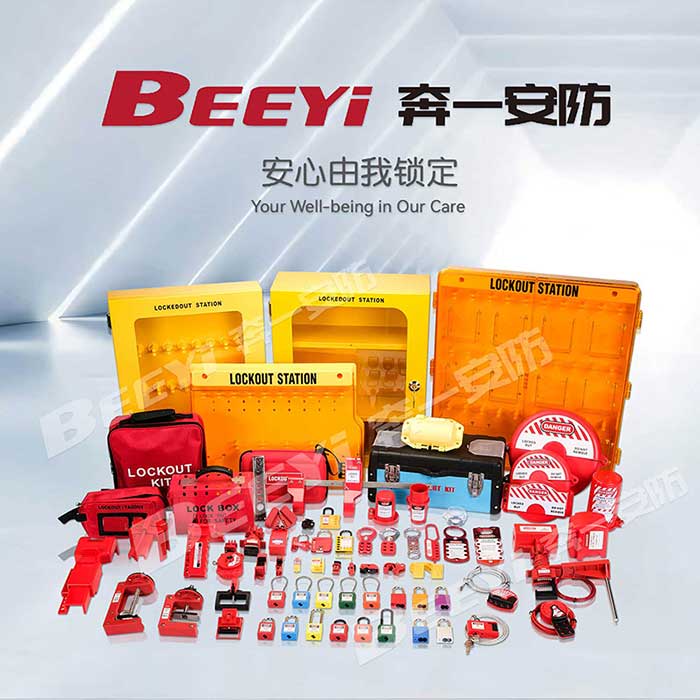
What is LOTO Safety Lock? The term “LOTO” stands for “Lockout-Tagout,” a safety protocol designed to control hazardous energy during machine maintenance. A LOTO safety lock is a key component of this system, primarily used to physically isolate and prevent machines from being energized or started while maintenance activities are being carried out. When a machine is locked out, workers can safely perform their tasks without the threat of equipment turning on unexpectedly. The LOTO process involves two essential steps: locking and tagging. “Locking” involves securing the machine’s energy-isolating device (such as electrical panels, circuit breakers, or valve handles) with a lock to prevent it from being operated. “Tagging” involves attaching a warning tag that communicates the machine’s status and identifies the individual performing maintenance. The lock and tag work together to provide a visible and secure indication that the machine should not be activated.