Lockout/Tagout (LOTO) safety is an essential component of workplace protection, especially in industrial and manufacturing environments. LOTO procedures are designed to prevent the accidental release of hazardous energy during the maintenance or servicing of machinery and equipment. Without proper implementation of these safety measures, workers face significant risks, including electrocution, crushing injuries, chemical exposure, and even fatalities. Therefore, understanding and adhering to LOTO safety is crucial for any organization committed to protecting its workforce.
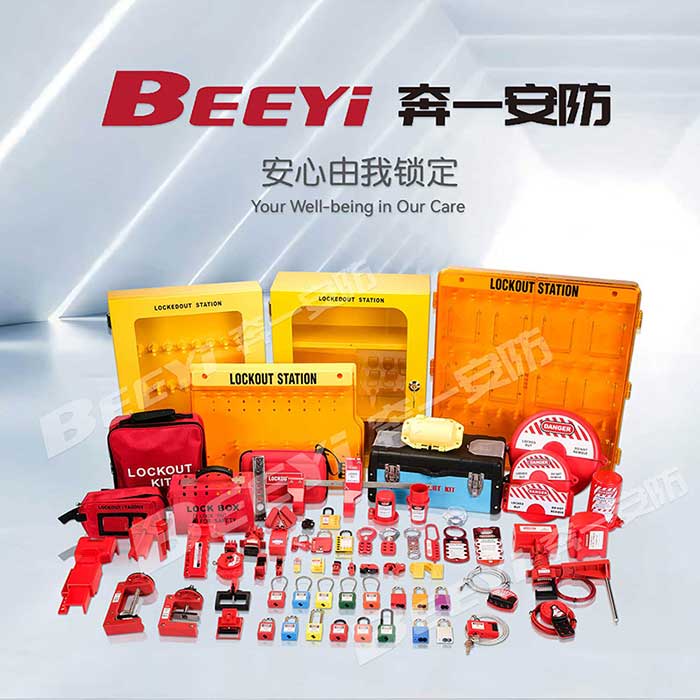
At its core, LOTO safety involves two key actions: locking and tagging. Locking refers to the physical securing of energy-isolating devices, such as circuit breakers, valves, or switches, to prevent machinery from starting unexpectedly. Tagging complements this by placing warning signs on the locked devices, clearly indicating that maintenance is underway and that the equipment must not be operated. Together, these measures ensure that machinery remains completely de-energized until it is safe to resume operation. The importance of LOTO safety becomes apparent when considering the types of energy that machinery can store. Electrical, mechanical, hydraulic, pneumatic, chemical, and thermal energy all pose potential hazards. Even a seemingly inactive machine can suddenly release stored energy, causing severe injuries. For example, a pressurized hydraulic system might unexpectedly move if the energy is not properly isolated, or an electrical motor might start if a circuit is inadvertently energized. LOTO procedures address these risks by systematically identifying and controlling all sources of hazardous energy before any work begins.