In industrial environments, safety is paramount. The use of Lockout Hasps (also known as lockout/tagout hasps) is an essential part of ensuring that machines and equipment remain in a safe state during maintenance and servicing. These devices prevent accidental startup or release of hazardous energy, reducing the risk of injury to workers. While Lockout Hasps are crucial tools for workplace safety, understanding how to effectively use and maintain them requires solid technical support. This article explores the key aspects of Lockout Hasps technical support and its importance in ensuring compliance and safety in industrial settings.
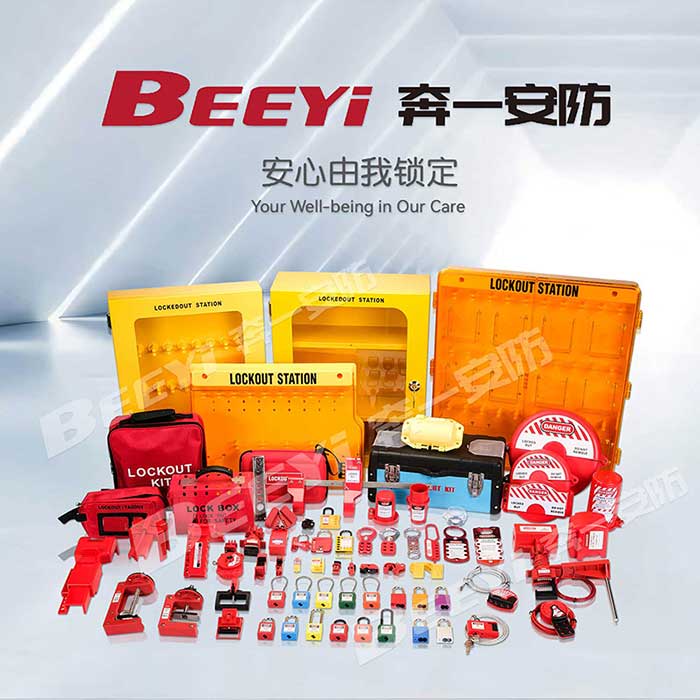
What Are Lockout Hasps? A Lockout Hasp is a device used in lockout/tagout procedures to isolate machinery or equipment from its energy source, making it impossible for the equipment to be operated while maintenance or repair work is being carried out. These hasps allow workers to place multiple locks on a single energy-isolating device, ensuring that only those authorized to work on the equipment can access the controls. Lockout Hasps are typically used in conjunction with padlocks, tags, and lockout devices to implement a comprehensive safety program. By physically securing energy-isolating mechanisms (such as circuit breakers, switches, and valves), Lockout Hasps help prevent inadvertent energy release, which could result in serious accidents or fatalities.