Lockout Hasps are essential tools in workplace safety, specifically within environments where machinery or equipment may need to be shut down for maintenance or repairs. The primary purpose of a Lockout Hasp is to prevent the accidental release of hazardous energy by ensuring that only authorized personnel can access and operate machinery. However, ensuring the effectiveness of Lockout Hasps doesn’t end with purchase; it extends into comprehensive after-sales service, which is crucial for maintaining the safety standards of any facility. This article will explore the various aspects of Lockout Hasps after-sales service, emphasizing how these services contribute to long-term reliability and workplace safety.
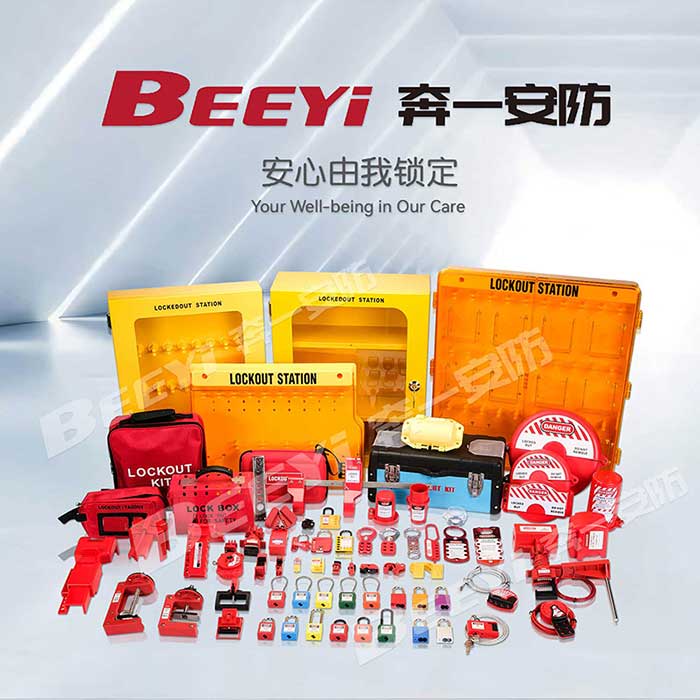
1. Understanding Lockout Hasps Before diving into after-sales service, it is important to understand what Lockout Hasps are and why they are critical to workplace safety. Lockout Hasps are devices used in the “Lockout/Tagout” (LOTO) safety procedure, a practice designed to prevent the accidental release of energy during maintenance activities. The Lockout Hasp works by allowing multiple workers to place their own locks on the device, ensuring that machinery cannot be operated unless all locks are removed. This practice is particularly important in environments such as factories, chemical plants, and power stations, where the failure to isolate energy sources can lead to serious accidents.