A Lockout Bag installation guide is an essential reference for ensuring workplace safety, particularly in environments where machinery and electrical systems require regular maintenance. Lockout Tagout (LOTO) procedures are designed to prevent accidental equipment startup or the release of hazardous energy, and the Lockout Bag plays a critical role in implementing these procedures effectively. This article provides a comprehensive and practical overview of how to properly install and use a Lockout Bag in industrial settings.
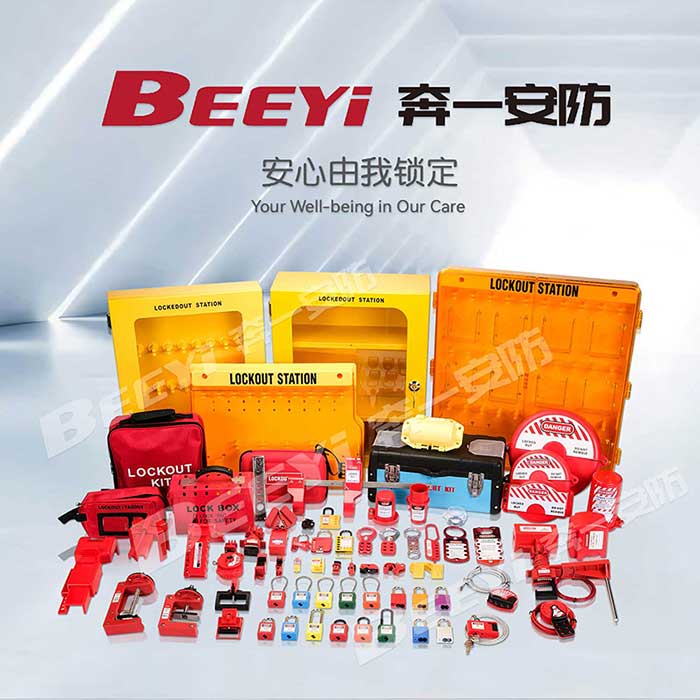
To begin with, preparation is the foundation of any safe lockout process. Before installing a Lockout Bag, it is necessary to identify all energy sources connected to the equipment. These may include electrical, mechanical, hydraulic, or pneumatic energy. Once identified, all energy sources must be completely shut down following the organization’s standard operating procedures. It is also important to notify all affected personnel that maintenance work is about to begin, ensuring that no one attempts to operate the equipment during the lockout process. Next, selecting the appropriate Lockout Bag is crucial. Lockout Bags come in various sizes and designs, depending on the type of equipment and the number of lockout points involved. A suitable bag should be durable, clearly visible (often bright red or yellow), and equipped with multiple locking holes or compartments to accommodate several padlocks. This allows multiple workers to apply their personal locks, ensuring that the equipment cannot be re-energized until all workers have completed their tasks.