In industrial and manufacturing settings, workplace safety is of paramount importance. One of the most critical safety protocols to prevent accidents during maintenance and repair activities is the Lock Out Tag Out (LOTO) procedure. LOTO involves the use of physical locks and tags to isolate energy sources from machinery and equipment, ensuring that they cannot be accidentally activated during maintenance work. This article delves into the significance of Lock Out Tag Out Tags, how they work, and why they are essential in maintaining a safe working environment.
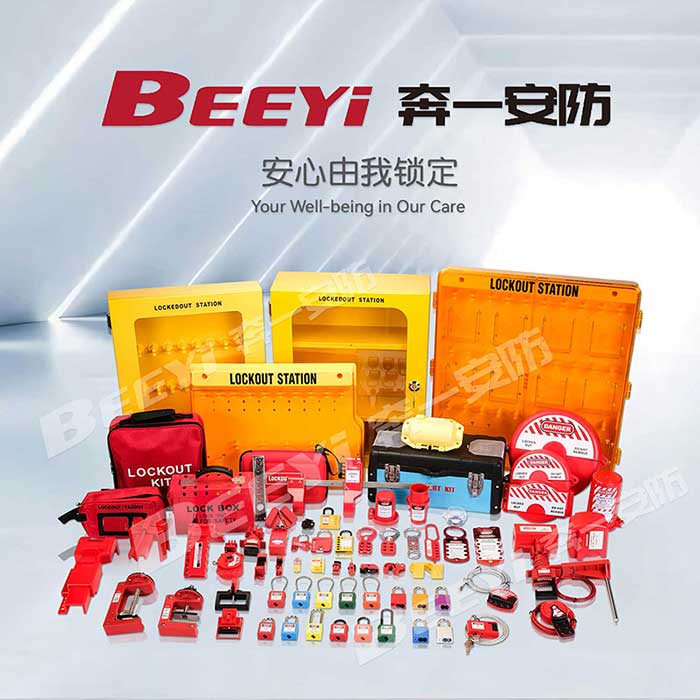
What is Lock Out Tag Out? Lock Out Tag Out is a safety procedure used to ensure that machines or equipment are properly shut down and cannot be started up while being worked on. The two main components of LOTO are lockout and tagout. Lockout refers to the physical process of using a lock to secure energy-isolating devices, such as electrical switches or valves, to prevent accidental operation. Tagout, on the other hand, involves attaching a warning tag to the locked device to alert workers that the equipment is not to be operated. The process of Lock Out involves attaching a lock to the energy-isolating device, such as a valve or switch. This lock is typically a keyed lock, and only the worker performing the maintenance has the key. This ensures that no one else can turn on the device during maintenance. Tag Out involves the use of a warning tag, which provides additional communication. Tags usually carry important details, such as the reason for the lockout, the name of the worker, and the date.