Lithium-ion batteries have become an integral part of modern life, powering everything from mobile phones to electric vehicles. However, with the growing reliance on these batteries, safety has become a primary concern, especially in light of incidents involving overheating, fires, and even explosions. To mitigate these risks, lithium battery valve manufacturers have developed advanced safety mechanisms that play a crucial role in maintaining the integrity and reliability of lithium-ion batteries. These valves are designed to manage pressure and release gases safely, ensuring that battery malfunctions do not lead to catastrophic outcomes.
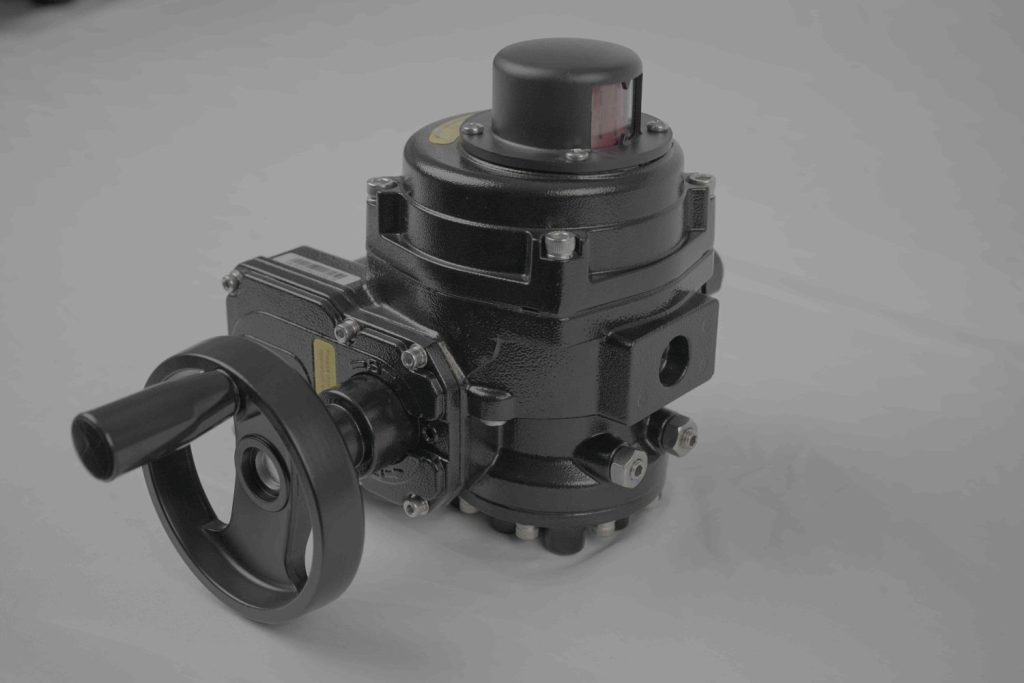
The Importance of Lithium Battery Valves Lithium-ion batteries, while highly efficient and versatile, can pose serious safety risks under certain conditions. Factors such as overcharging, short-circuiting, or internal faults can cause the battery to heat up, leading to a buildup of pressure. If left unchecked, this pressure can cause the battery casing to rupture, releasing toxic chemicals, igniting fires, or even leading to an explosion. This is where the role of lithium battery valves becomes critical. These safety valves are engineered to open at a specific pressure threshold, allowing gases to escape and reducing the risk of damage to the battery. In essence, they act as a last line of defense, ensuring that the battery remains safe even in extreme conditions. Without these valves, the risk of thermal runaway and other safety hazards would be significantly higher.