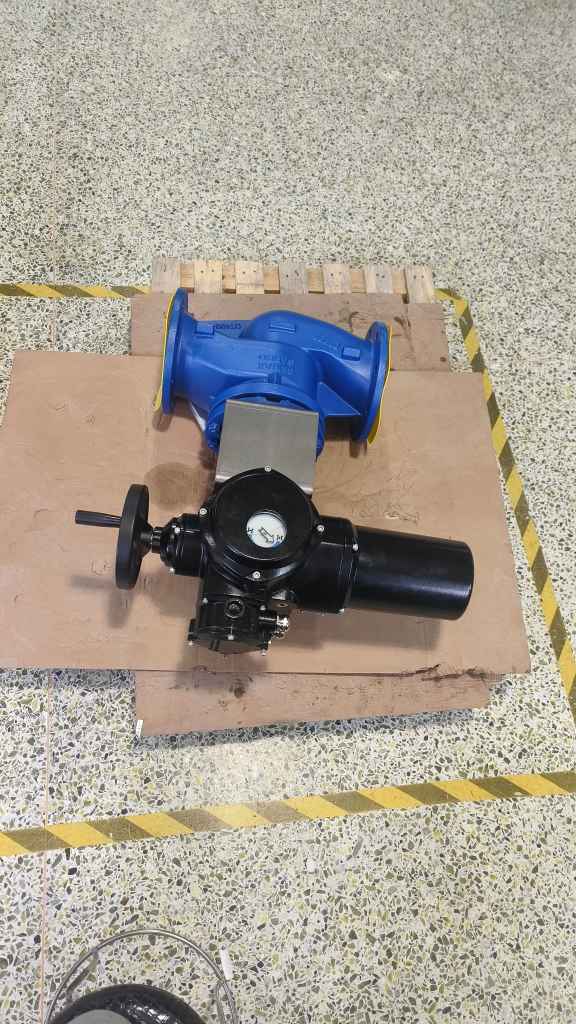
In recent years, the rise of lithium-ion batteries in applications ranging from electric vehicles (EVs) to energy storage systems has brought forth significant advancements in power storage and delivery technologies. However, with these advancements come challenges, especially when it comes to safety, temperature management, and system efficiency. A critical component that addresses these concerns is the Lithium Battery Electric Shut-Off Valve (EBV). This valve plays a pivotal role in enhancing the performance and safety of lithium-ion battery-powered systems by controlling fluid flow and ensuring optimal conditions for battery operation.
What is a Lithium Battery Electric Shut-Off Valve?
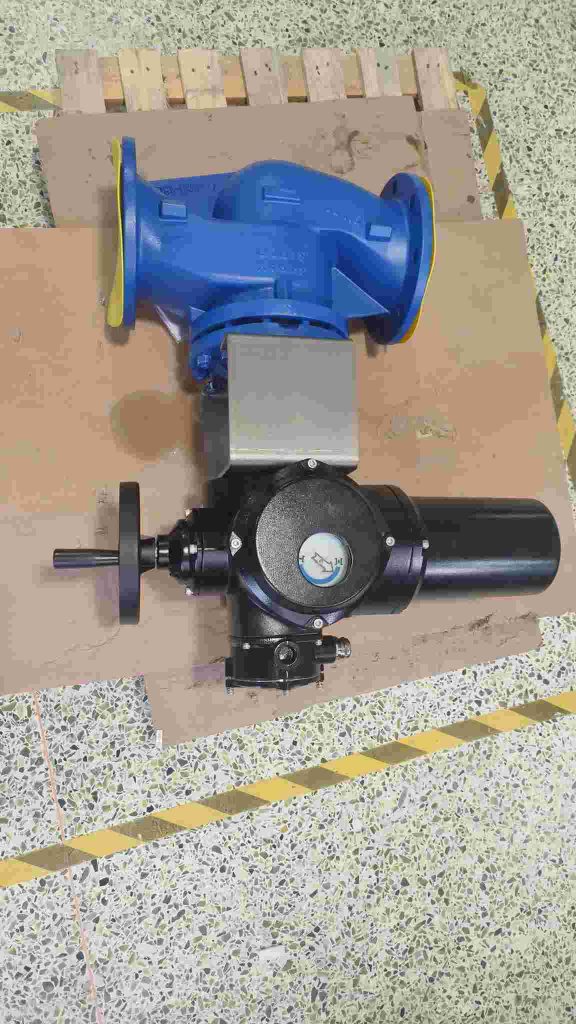
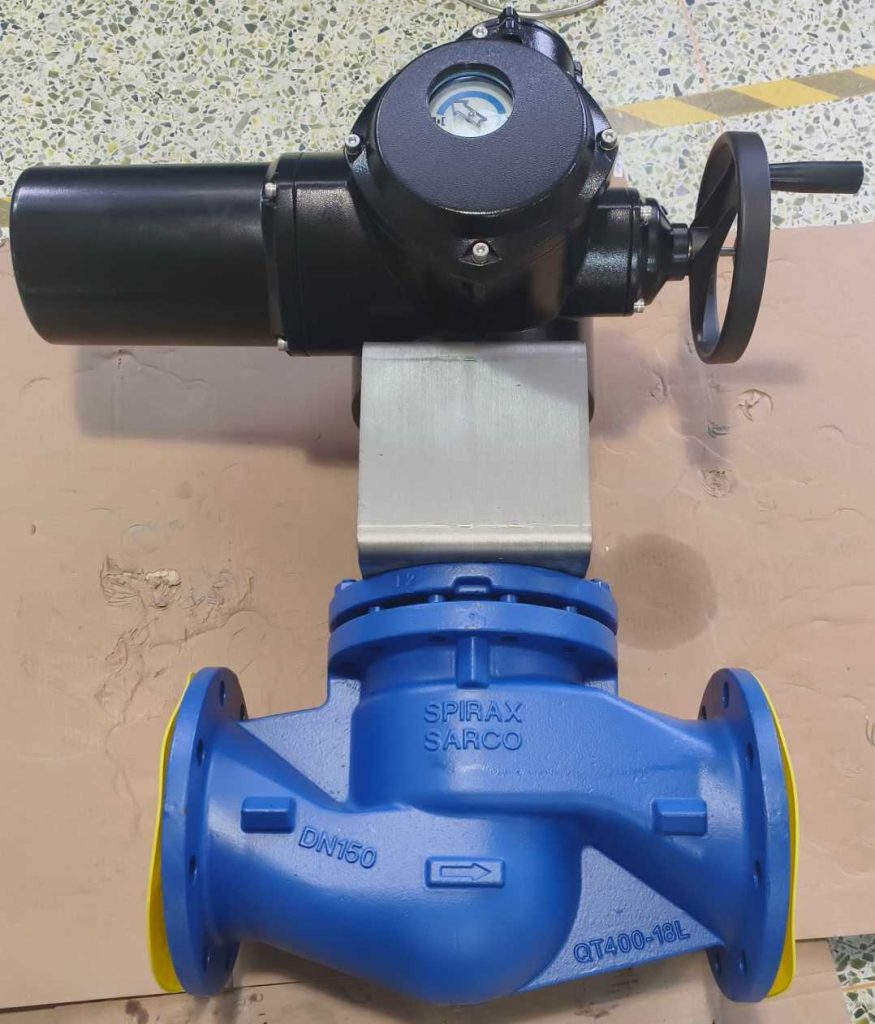
A Lithium Battery Electric Shut-Off Valve is a type of valve designed to regulate the flow of fluids, such as coolant or electrolyte, within lithium-ion battery systems. It is an electronically controlled valve that can open or close the flow path based on inputs from the system. These valves are primarily used in applications where fluid management is essential, such as in battery cooling systems, gas control systems, and power distribution units. By controlling the flow of fluids, these valves help maintain the temperature and pressure levels within safe operating limits, preventing potential failures such as overheating or chemical leakage.