The Internet of Things (IoT) has dramatically transformed various industries, and one of the most exciting developments has been its impact on home automation. Among the various devices making our homes smarter, IoT relays are a key technology that enable users to control electrical appliances remotely. These devices are not just about convenience but also play a vital role in enhancing energy efficiency, security, and automation in smart homes. In this article, we will explore what IoT relays are, how they work, their benefits, and their applications in home automation.
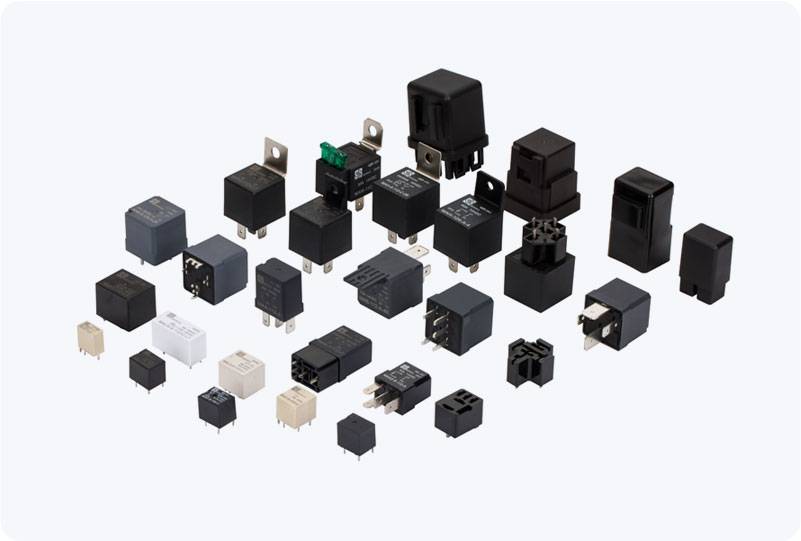
What is an IoT Relay? An IoT relay is a smart switch that allows users to remotely control electrical appliances such as lights, fans, air conditioners, and other home devices over the internet. By integrating with home networks (typically through Wi-Fi, Zigbee, or Z-Wave), an IoT relay provides the ability to turn devices on or off from anywhere using a smartphone, tablet, or computer. These relays can be controlled through dedicated apps or voice assistants like Amazon Alexa or Google Assistant, adding a layer of convenience and automation. How Do IoT Relays Work? At a fundamental level, IoT relays function as electrical switches that can be triggered remotely. They are embedded with microcontrollers and connect to the internet via Wi-Fi or other communication protocols. When a user sends a command from their smartphone or another device, the relay receives the signal and activates or deactivates the connected appliance. Some advanced relays come with additional features such as monitoring electricity usage, setting schedules, or integrating with other smart devices.