Industrial Power Switches are critical components in the infrastructure of industrial electrical systems. These devices serve a wide range of functions, from providing a safe means to disconnect electrical circuits to enhancing the efficiency and safety of industrial operations. Understanding their role, types, and benefits is crucial for anyone involved in industrial automation, power distribution, and safety protocols. This article explores the significance of industrial power switches, their types, and their applications in modern industrial settings.
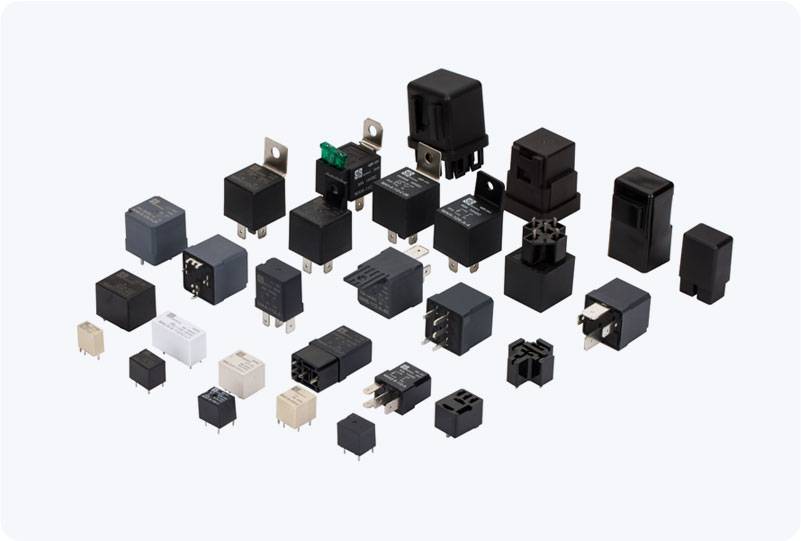
Understanding Industrial Power Switches At the most basic level, an Industrial Power Switch is an electrical device designed to control the flow of electricity within an industrial circuit. These switches enable operators to either make or break a connection, allowing for the activation or deactivation of equipment. They are engineered to handle high-power loads typical in industrial environments and are built to withstand more demanding conditions than their residential counterparts. Industrial power switches are integral to a variety of functions, including load management, circuit protection, and system isolation. Their ability to provide quick and reliable power disconnection plays a significant role in protecting both machinery and personnel. Additionally, modern versions of these switches may come equipped with advanced features like remote monitoring, fault detection, and automatic control.