Industrial power relays are critical components in motor control systems, widely used in various industrial applications to manage and protect large electric motors. These relays provide a safe and efficient way to control the switching of motor-driven systems, ensuring reliable operation and preventing potential damage caused by overloads or faulty circuits. In this article, we will explore the role of industrial power relays in motor control, their key features, and the benefits they bring to modern industrial automation.
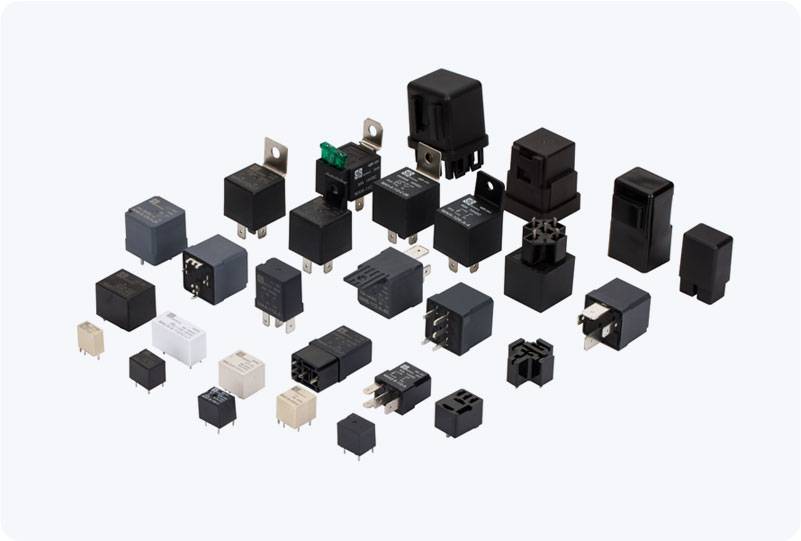
What is an Industrial Power Relay? An industrial power relay is an electrically operated switch used to control the flow of current to a load, typically a motor, in industrial applications. The relay uses an electromagnet to open or close contacts, allowing electrical circuits to be completed or interrupted without the need for manual intervention. Industrial power relays are designed to handle high voltages and currents, making them suitable for controlling motors that operate at high power levels. Role of Industrial Power Relays in Motor Control Industrial power relays are an integral part of motor control circuits, serving several key functions: