Industrial control relays are fundamental components in modern automation systems, playing a crucial role in the control and regulation of electrical devices and machinery. These relays act as switches that manage large electrical currents using a small electrical signal, making them essential in various industrial applications, including machinery control, safety systems, and power management. This article explores the working principles, applications, types, and significance of industrial control relays in the realm of industrial automation.
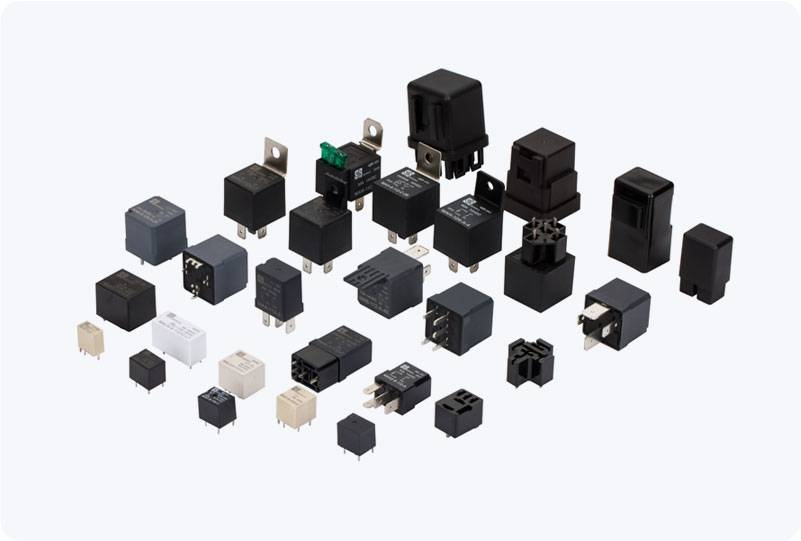
Working Principle of Industrial Control Relays At the core of an industrial control relay lies a simple yet effective operating principle. The relay consists of an electromagnet, contacts, and a spring. When an electrical current passes through the coil (electromagnet), it generates a magnetic field that attracts a metal armature, causing the contacts to either open or close. The contacts control the flow of current in the circuit, either enabling or disabling the operation of connected devices. This mechanism allows industrial control relays to control high-power equipment such as motors, lights, and heating elements, while being controlled by low-power signals from automation systems such as Programmable Logic Controllers (PLCs). These relays can switch electrical devices on or off based on specific conditions such as time, temperature, or pressure.