Industrial control relays are crucial components in modern automation and electrical control systems. These devices serve as the operational heart of industries that rely on the safe and efficient management of electrical circuits. From powering large machinery to ensuring the reliability of intricate control processes, industrial control relays play a pivotal role in maintaining the smooth operation of countless systems worldwide. In this article, we will explore the significance, working principles, types, applications, and benefits of industrial control relays in today’s industrial landscape.
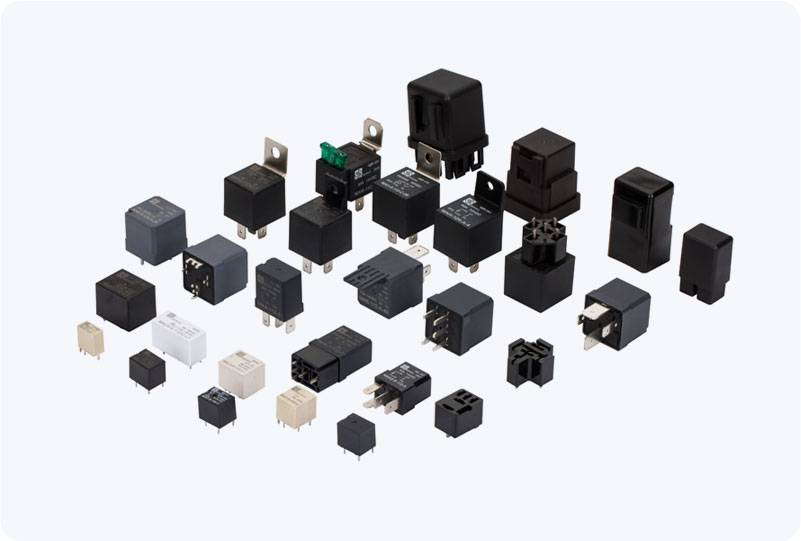
What is an Industrial Control Relay? An industrial control relay is an electrical switch that is operated by an electromagnetic coil. It allows small electrical signals to control the switching of larger, high-powered electrical circuits. Essentially, relays act as intermediaries between a low-voltage control system and high-voltage operational circuits. When a small current is applied to the coil, the relay switches on or off a set of contacts, controlling the flow of electricity to various devices. The core function of industrial control relays is to protect, control, and automate electrical systems.