Industrial control relays are essential components in automation and electrical systems. They act as switches that control the flow of electricity to different devices, ensuring the smooth operation of industrial processes. These devices, which use electromagnetism to open or close circuits, are commonly used to control machinery, protect electrical systems, and enhance overall efficiency in various industries.
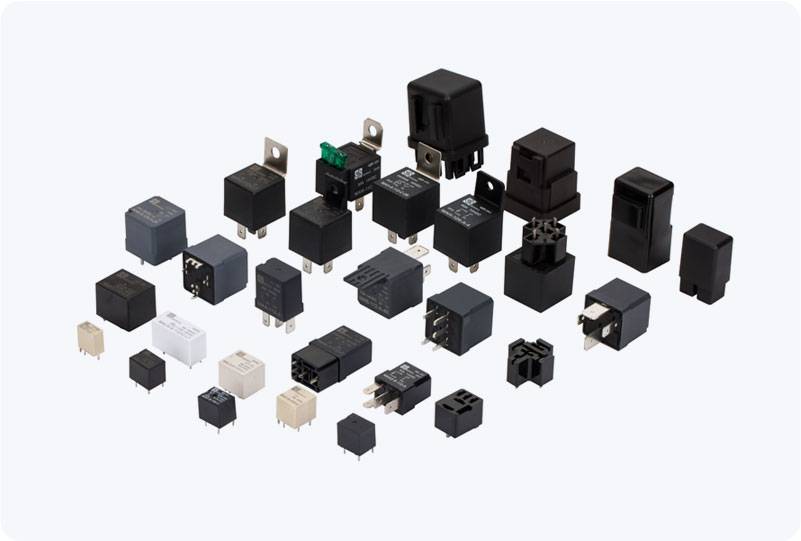
What is an Industrial Control Relay? An industrial control relay is an electrically operated switch that opens and closes a circuit under control by an external signal. When an electric current flows through the relay’s coil, it creates a magnetic field that moves the relay’s contacts, either opening or closing the circuit. This ability to control a high-power device with a low-power signal makes relays indispensable in industries requiring automation. How Does an Industrial Control Relay Work? The basic principle behind the operation of an industrial control relay is electromagnetic induction. The relay consists of a coil, an armature, and contacts. When an electrical current passes through the coil, it generates a magnetic field that attracts or repels the armature, causing the contacts to move. Depending on the design, these contacts can be normally open (NO) or normally closed (NC), offering flexibility for different control applications.