Lockout/Tagout (LOTO) devices play a crucial role in ensuring industrial safety by controlling hazardous energy during maintenance and repair work. In industrial environments, machinery and equipment can pose significant dangers if they are not properly isolated during servicing. LOTO devices are specifically designed to prevent the unexpected release of energy, thereby protecting workers from potential injuries or fatalities. This article explores the importance of LOTO devices, their key components, and how they contribute to workplace safety.
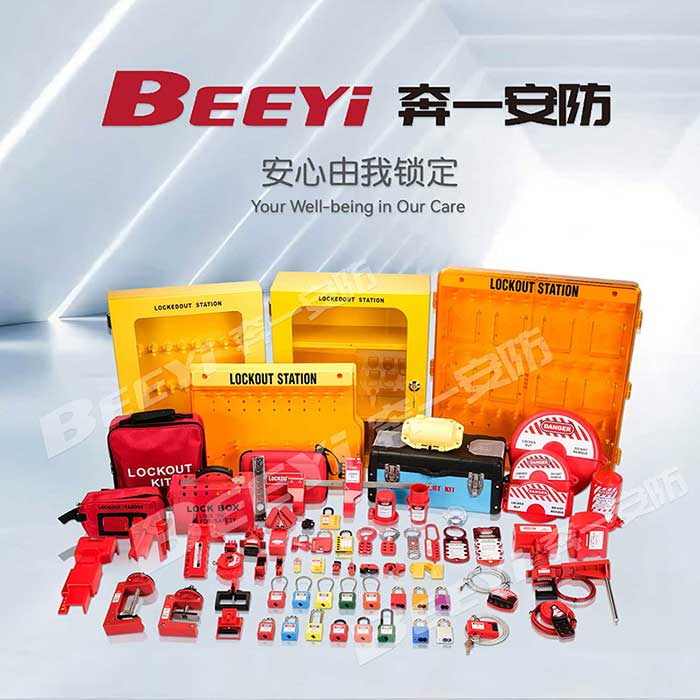
What is a LOTO Device? A LOTO device refers to a safety mechanism used to isolate energy sources in equipment or machinery during maintenance. LOTO is an acronym for “Lockout” and “Tagout,” which represent the two essential functions of this safety protocol: physically locking out equipment to prevent its operation and tagging it with a warning to inform others that maintenance is in progress. These devices are designed to ensure that machinery cannot be inadvertently started while workers are servicing it. They are essential in preventing accidents related to the unintended release of hazardous energy such as electrical, mechanical, hydraulic, pneumatic, or chemical energy. Without LOTO devices, workers are at risk of serious injuries like electrocution, burns, crushing, or even fatal accidents.