In today’s fast-paced industrial environment, ensuring the safety of workers while they operate, repair, or maintain machinery is of paramount importance. One of the most effective safety protocols established for this purpose is known as Lockout/Tagout (LOTO). This procedure safeguards workers from the unexpected startup of machinery or the release of hazardous energy while maintenance is being performed. This article delves into the significance, procedures, and best practices of Safety Lockout Tagout, aiming to emphasize its crucial role in workplace safety.
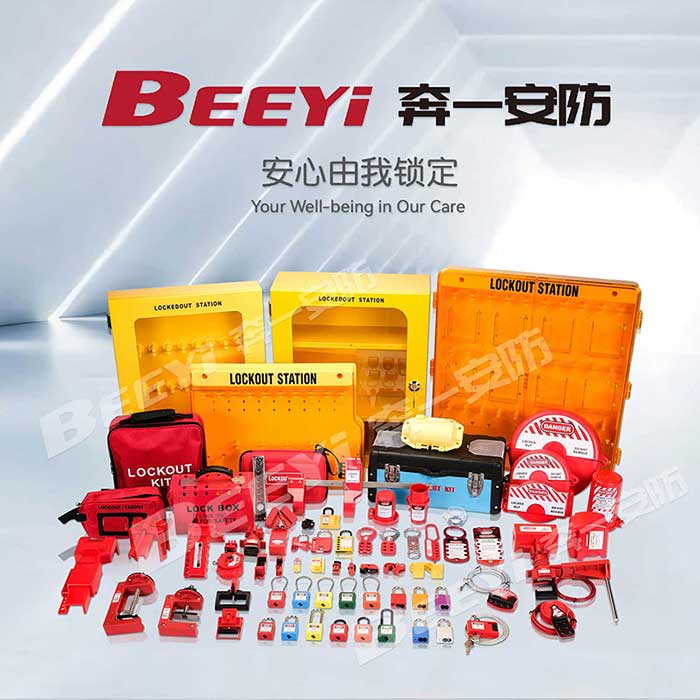
Understanding Safety Lockout Tagout Lockout/Tagout refers to a set of specific practices and procedures aimed at ensuring that equipment is shut off and not started up again before maintenance or repair work is completed. It involves the use of locks and tags to provide a physical barrier to prevent the accidental operation of machinery. Lockout is the primary method, where a physical lock is applied to energy-isolating devices, while tagout uses a warning tag that indicates a piece of equipment is being serviced and should not be operated. Why Is LOTO Important? Worker Safety: The primary goal of implementing LOTO procedures is to protect workers. Accidental machine startups can lead to severe injuries or even fatalities. By using LOTO, employees can carry out maintenance or repair tasks without the fear of unexpected energy release.