Industrial relays are essential components in power systems, playing a crucial role in protecting electrical equipment from faults and ensuring the stability of the grid. The standards established by the IEEE (Institute of Electrical and Electronics Engineers) for industrial relays provide a comprehensive framework for their design, testing, and application. These standards are vital for ensuring that relays meet the necessary performance, reliability, and safety requirements needed to safeguard power systems. This article will explore the significance of IEEE standards for industrial relays, focusing on key standards and their applications.
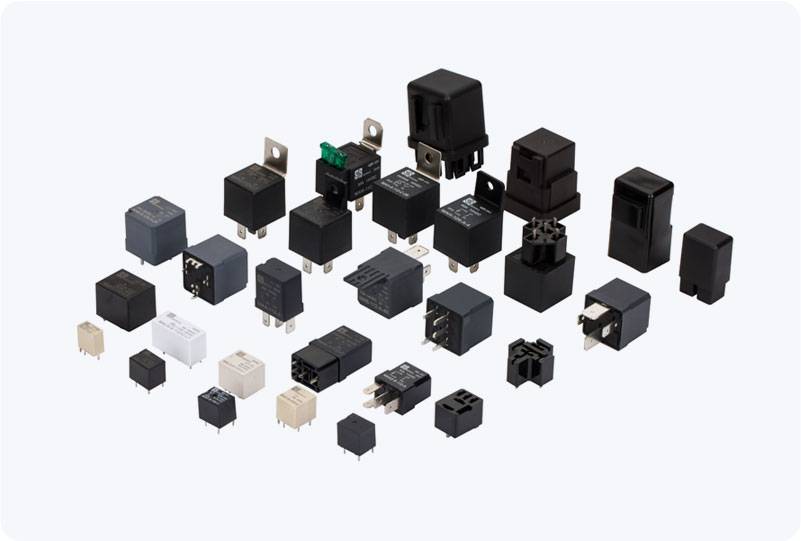
The Role of Industrial Relays in Power Systems Relays are protective devices used in electrical power systems to detect abnormal conditions such as overloads, short circuits, and other faults. When such conditions occur, relays promptly isolate the affected parts of the system to prevent further damage to equipment. They serve as the first line of defense in ensuring the continuous operation of power systems, which are critical for industries, businesses, and daily life. Given the complexity and importance of these systems, it is essential that industrial relays operate reliably under various conditions. This is where IEEE standards play a significant role in defining the criteria for relay performance, testing, and durability.