In industrial environments where machinery and equipment rely on pneumatic systems, ensuring safety during maintenance and operation is critical. Pneumatic lockout devices play a vital role in safeguarding workers from accidental injuries due to unexpected machine start-ups. These lockouts are especially important in settings that use pneumatic systems for controlling equipment operations. To ensure these devices meet the highest safety standards, they must comply with various international regulations, such as the IEC 60947-2 certification. This certification confirms that pneumatic lockouts adhere to stringent safety, performance, and reliability criteria, ensuring they function as intended and provide workers with a secure work environment.
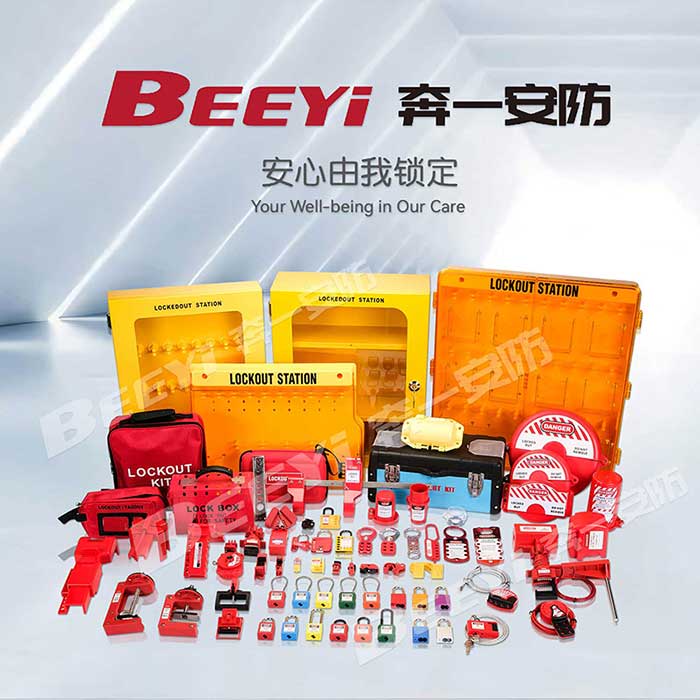
The Role of Pneumatic Lockouts in Industrial Safety Pneumatic lockouts are devices designed to isolate pneumatic energy sources to prevent the accidental release of energy during maintenance and repair work. They work by physically locking the pneumatic valves in a closed or open position, effectively preventing the system from being activated without authorization. These devices are a crucial part of the lockout/tagout (LOTO) procedures, which are established safety protocols used to control hazardous energy during service or maintenance of equipment. The primary function of pneumatic lockouts is to protect workers by ensuring that machinery and equipment do not start up unexpectedly. Accidental machine start-ups can lead to serious injuries or fatalities, particularly when workers are servicing or interacting with equipment in hazardous conditions. By implementing pneumatic lockouts, industries can minimize these risks and maintain a safer working environment.