When it comes to testing communication relays, a multimeter is an essential tool. A communication relay plays a pivotal role in any electrical circuit, switching between different connections in response to signals. Whether you are troubleshooting a malfunctioning system or ensuring the proper function of your relay before installation, testing the relay with a multimeter can save you time and effort. In this article, we will guide you through the process of testing a communication relay with a multimeter, ensuring you know exactly what to look for.
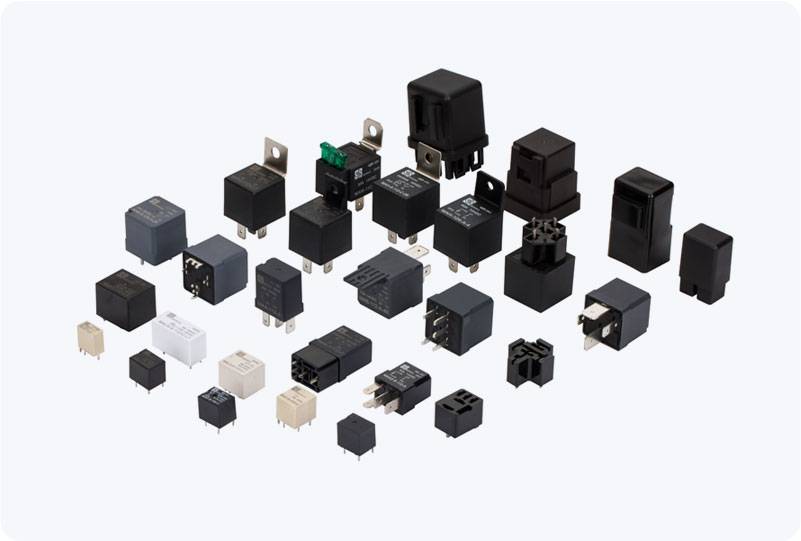
Understanding Communication Relays A communication relay is typically used in electronic and electrical circuits to isolate different components or transmit signals based on specific inputs. It consists of a coil and multiple contacts—usually, a pair of Normally Open (NO) and Normally Closed (NC) contacts. When voltage is applied to the coil, it activates the contacts, switching them between the open or closed states. Relays can be mechanical (electromechanical relays) or solid-state. Mechanical relays use a physical armature that moves to switch the contacts, whereas solid-state relays use semiconductors to control the contact. Regardless of the type, relays are commonly found in telecommunications equipment, industrial machinery, and home appliances.