If you have ever dealt with messy loose cables around your home, office, or workshop, you have probably considered using PVC cable trunking to organize and protect your wiring. PVC cable trunking is a cost-effective, durable, and easy-to-work-with solution for concealing electrical cables, improving safety, and creating a neat, clean appearance. Whether you are a DIY beginner or a seasoned hobbyist, learning how do I PVC cable trunking installation correctly can save you time, money, and future headaches, and this guide will walk you through every critical step of the process. First, before you pick up any tools or cut any material, you need to start with proper planning and preparation, which is the most important step for a successful installation. First, you need to map out the route of your cables. Walk along the wall or surface where you plan to run the trunking, and mark the path with a pencil, taking note of any corners, obstacles, or existing fixtures you need to work around. Next, measure the total length of the route you marked, and add 10% extra to account for mistakes, cuts, and future adjustments. Then, gather all the necessary materials and tools: you will need PVC trunking in the correct size (make sure the internal dimensions are large enough to hold all your cables with a little extra space for future additions), matching corner connectors and end caps, a measuring tape, a pencil, a hacksaw or PVC cutter, a drill, screws or adhesive, a level, and a screwdriver. It is also critical to turn off all power to the electrical cables you will be working with at your main breaker panel to eliminate any risk of electric shock, a safety step you should never skip. Secondly, once your planning is complete, you can move on to cutting and fitting the PVC trunking to your marked route. Start by cutting the main length of trunking cover and base separately, following your measured marks. A PVC cutter will give you a clean, straight cut faster than a hacksaw, but a hacksaw works perfectly well if that is all you have. Just make sure to sand any rough edges with a small piece of sandpaper to remove burrs that could damage cable insulation or make fitting the cover difficult. After cutting each section, dry fit the pieces together along your marked route before you attach anything permanently. This dry fit step lets you check that all pieces align correctly, corners fit snugly, and the entire length follows your planned path without awkward gaps or misalignments. If you need to cut a piece to fit around a door frame or outlet, take your time with measurements – it is always better to measure twice and cut once to avoid wasting material. Additionally, after you are satisfied with the dry fit, you can secure the trunking base to your surface. The method of attachment depends on the surface you are working on: for solid walls like drywall or brick, drilling pilot holes and using screws is the most secure long-term option, while for smooth, flat surfaces like painted plaster or tile, strong double-sided adhesive or construction adhesive can work well for a less invasive installation. Use your level as you work to make sure the trunking stays straight – a crooked trunking installation will look unprofessional and can make fitting the cover more difficult. Space your screws or adhesive points every 30 to 40 centimeters along the base to keep it firmly attached, especially for longer runs. Once the base is secured, you can start feeding your cables into the trunking. It is best to gather all your cables together and feed them through slowly, making sure they lie flat and do not get twisted or tangled inside the base. Do not overstuff the trunking – leaving 20 to 30% of the internal space empty makes it easier to add cables later and improves air circulation to prevent heat buildup, which is especially important for power cables that carry higher currents. After all the cables are in place, you can snap the cover onto the base. Most PVC trunking designs have a simple click-fit cover that locks into place easily, but if your cover feels loose, you can add a small dot of adhesive at a few points to keep it secured. Furthermore, there are a few common mistakes that many beginners make when learning how do I PVC cable trunking installation, and being aware of these can help you avoid issues down the line. One of the most common mistakes is choosing a trunking that is too small for the number of cables you need to house. Many people underestimate how much space their cables will take up, leading to a forced fit that can damage cables or make it impossible to close the trunking cover. Another common mistake is not accounting for expansion – PVC can expand slightly with changes in temperature, so if you are installing a very long run of trunking (over 3 meters), leave a small 1-2 millimeter gap between sections to accommodate this expansion and prevent the trunking from warping or buckling. Finally, many beginners forget to leave extra space at the ends of the run where cables connect to outlets or switches, which makes future maintenance or replacement much harder. Finally, once your installation is complete, take a few minutes to check your work. Make sure all covers are locked in place, the trunking is straight and secure, and all cables are safely contained. Wipe down the trunking with a damp cloth to remove any pencil marks or sawdust, and restore power to your circuits if you turned it off earlier. With proper installation, PVC cable trunking will last for decades, protecting your cables from damage, reducing tripping hazards, and keeping your space looking clean and organized. Learning how do I PVC cable trunking is a simple DIY project that almost anyone can complete with basic tools and a little patience, and the results are well worth the small amount of time and effort you put in. Whether you are organizing cables behind your TV, running new wiring in a home office, or cleaning up a workshop, PVC cable trunking is a practical, affordable solution that delivers professional-looking results.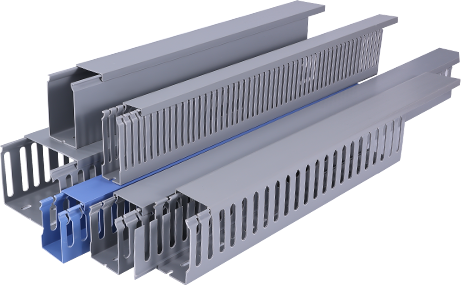
How Do I PVC Cable Trunking: A Complete Installation Guide
by
Tags: