As the world transitions towards sustainable energy solutions, New Energy Vehicles (NEVs) are becoming a dominant force in the automotive industry. Among the many advancements that are being integrated into electric vehicles (EVs), one crucial component that plays a pivotal role in ensuring both safety and performance is the High Voltage DC Relay. This piece of technology is indispensable in handling the complexities of high voltage systems, providing control, safety, and reliability. In this article, we will explore the importance of high voltage DC relays in NEVs, how they work, and the challenges they address in modern electric vehicle design.
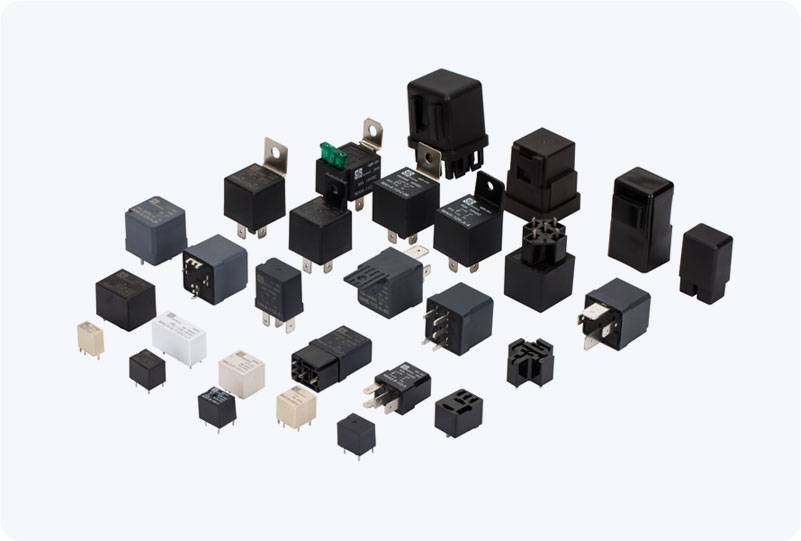
The Role of High Voltage DC Relays in NEVs New Energy Vehicles, especially electric cars, rely on high-voltage batteries to power their electric motors. These batteries often operate at voltages between 300V and 800V, depending on the vehicle’s design and requirements. While such high voltage allows for improved power output and energy efficiency, it also presents challenges in managing the current flow between different components of the vehicle, such as the battery, the motor, and the charging system. This is where high voltage DC relays come into play. A High Voltage DC Relay acts as a switch that controls the flow of electricity between the battery and other electrical systems in the vehicle. It is capable of opening and closing the circuit to ensure the vehicle operates in a safe and efficient manner. The relay’s function can be triggered by the vehicle’s Battery Management System (BMS) or the central Electronic Control Unit (ECU) depending on the operational state of the vehicle.