In the realm of industrial automation, the need for reliable and efficient communication systems cannot be overstated. As industries become increasingly automated, the dependence on real-time data exchange among various devices—such as sensors, controllers, and actuators—grows exponentially. This is where high reliability communication relays come into play, serving as pivotal components that enhance the integrity and resilience of communication networks in complex industrial environments.
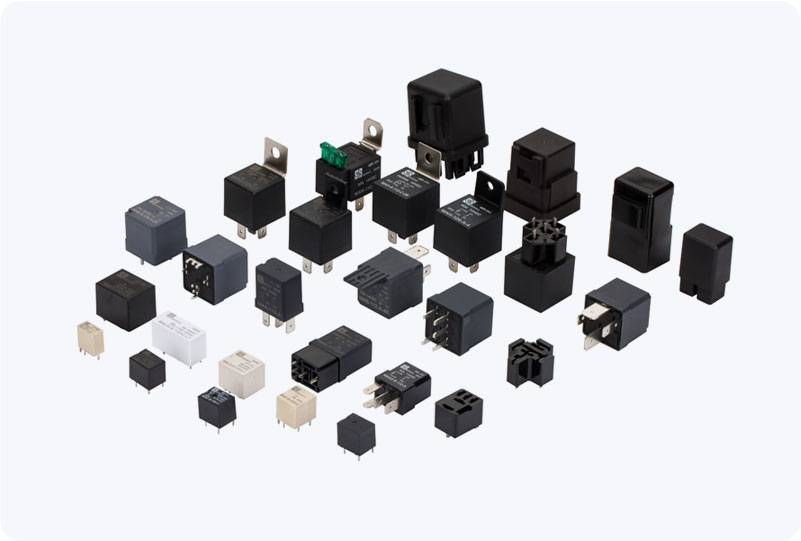
The Role of High Reliability Communication Relays High reliability communication relays are specialized devices designed to ensure stable data transmission across industrial systems. They act as intermediaries between different network segments, facilitating seamless communication even in the face of environmental challenges that could disrupt data flow. These relays are built to withstand harsh conditions commonly found in industrial settings, including electromagnetic interference (EMI), extreme temperatures, and mechanical vibrations. Key Features Robustness Against Interference: One of the standout features of high reliability communication relays is their ability to operate effectively in environments with high levels of electromagnetic interference. These devices incorporate advanced shielding and filtering technologies to minimize the impact of noise and ensure that data packets are transmitted without degradation.