In industries where explosive gases, flammable dust, or other hazardous substances are present, ensuring the safety of electrical equipment is paramount. One crucial component in such environments is the Hazardous Area Relay, which plays a pivotal role in preventing catastrophic accidents. These specialized relays are designed to function reliably in environments where standard electrical components might pose significant risks, such as creating sparks that could ignite flammable materials. In this article, we will explore the purpose, design, and applications of Hazardous Area Relays, as well as the importance of their use in safeguarding workers and equipment in hazardous locations.
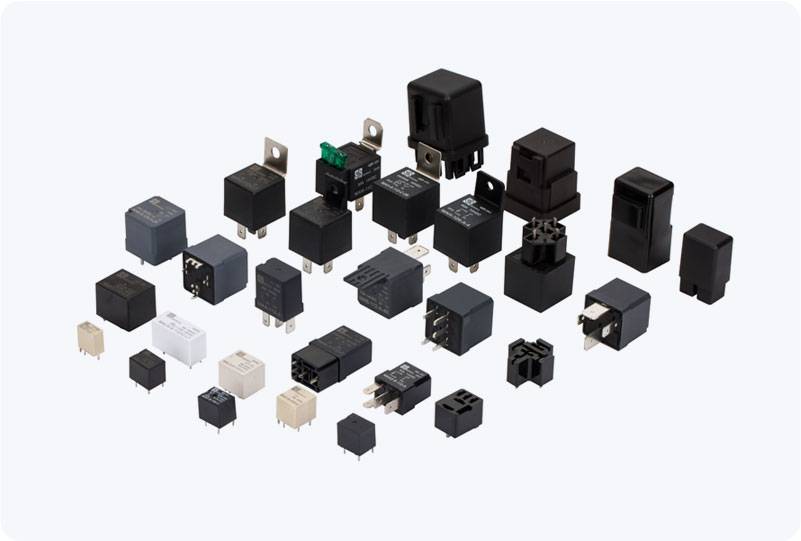
What is a Hazardous Area Relay? A Hazardous Area Relay is a type of electrical relay specifically engineered to operate in potentially explosive atmospheres. These relays are part of the broader category of electrical safety devices known as explosion-proof or flameproof equipment. The primary function of these relays is to control electrical circuits in dangerous environments, such as those found in oil refineries, chemical plants, or grain silos, where there is a risk of fire or explosion due to the presence of volatile substances. Hazardous Area Relays are often integrated into critical safety systems that help monitor and control the operation of industrial machinery. They are designed to prevent any spark or electrical fault that could ignite gases or dust particles in the air. These relays ensure that if there is a malfunction or unsafe condition, appropriate safety measures can be triggered, thereby reducing the risk of explosions and fires.