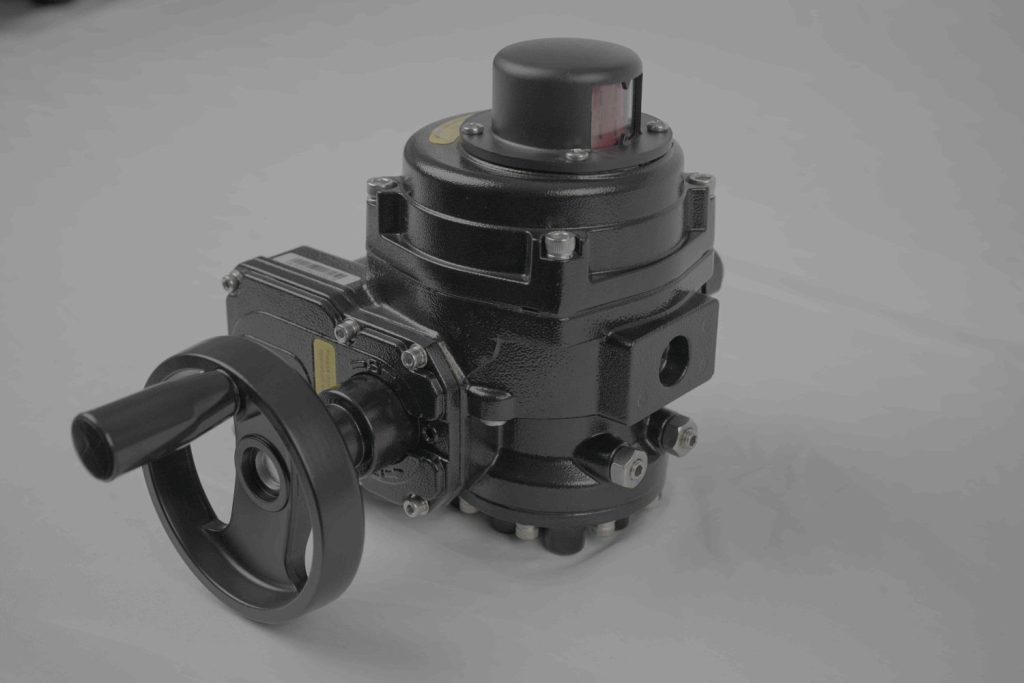
In recent years, lithium-ion batteries have become integral to powering a vast array of devices, from smartphones and laptops to electric vehicles and renewable energy storage systems. While their high energy density and long life make them a preferred choice, these batteries also present certain risks, especially in hazardous environments. One key component that plays a vital role in mitigating these risks is the explosion-proof lithium battery valve. This specialized valve helps prevent the catastrophic consequences of overpressure or thermal runaway, thereby enhancing safety and extending the lifespan of the batteries. In this article, we will explore the importance, design, and functionality of explosion-proof lithium battery valves, and how they contribute to the overall safety of lithium-ion battery systems.
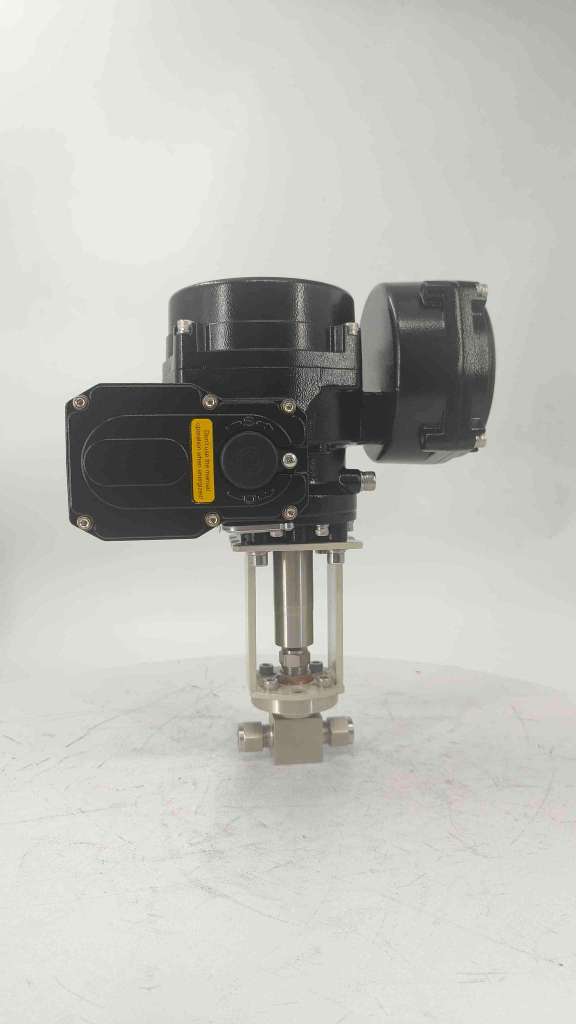
The Need for Safety in Lithium-Ion Batteries
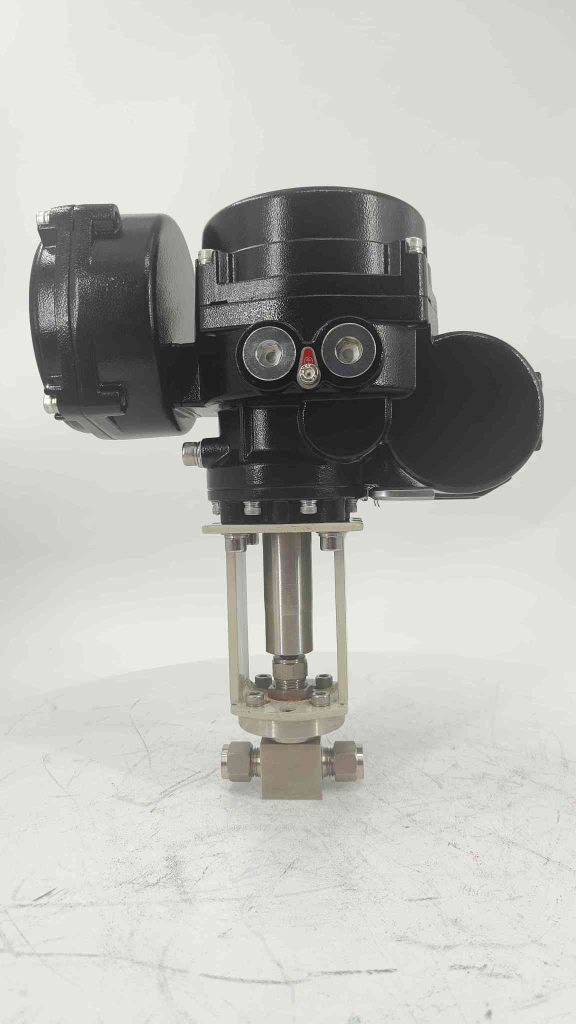
Lithium-ion batteries, due to their high energy density, can store a substantial amount of energy in a compact space. However, this high energy concentration also means that if something goes wrong, the consequences can be severe. One of the most significant risks is thermal runaway, a process where a battery becomes excessively hot, potentially leading to an explosion or fire. This can happen due to overcharging, internal short circuits, or even external damage to the battery. As lithium-ion batteries are used in critical applications like electric vehicles (EVs), drones, and medical devices, ensuring their safe operation is paramount.