In recent years, the shift towards sustainable energy sources has become increasingly critical in combating climate change and reducing reliance on fossil fuels. One of the most promising alternatives is hydrogen energy, recognized for its potential in applications ranging from fuel cells to energy storage systems. Within this rapidly evolving sector, the hydrogen energy electric two-seat regulating valve plays a pivotal role in ensuring the efficient and safe management of hydrogen gas. This article explores the significance, functionality, applications, and advantages of these specialized valves.
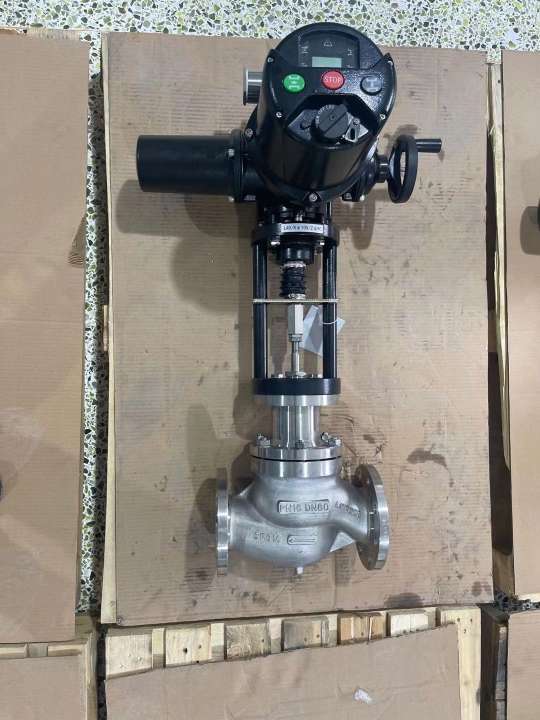
Understanding Hydrogen Energy Electric Two-Seat Regulating Valves At its core, a hydrogen energy electric two-seat regulating valve is designed to control the flow and pressure of hydrogen gas in various systems. The term “two-seat” refers to the valve’s design, which incorporates two primary seating surfaces that enhance sealing efficiency and flow control. The valve is typically actuated by an electric motor, allowing for precise adjustments based on real-time data from the surrounding system. The basic working principle is straightforward: the valve receives signals from control systems, which may include sensors that monitor pressure, temperature, and flow rate. Upon receiving the signal, the electric actuator adjusts the opening of the valve, thereby regulating the flow of hydrogen gas through the system. This decision-making process is crucial for maintaining optimal performance and safety in hydrogen applications.