Relays are essential components in various electronic and electrical systems, serving as switches controlled by an electrical current to manage larger loads. Among the different types of relays, the 12V 60A relay stands out for its ability to handle high-power applications while being controlled by a relatively low-voltage circuit. This article delves into the characteristics, working principle, applications, and best practices for using a 12V 60A relay, which plays a crucial role in automotive, industrial, and home automation systems.
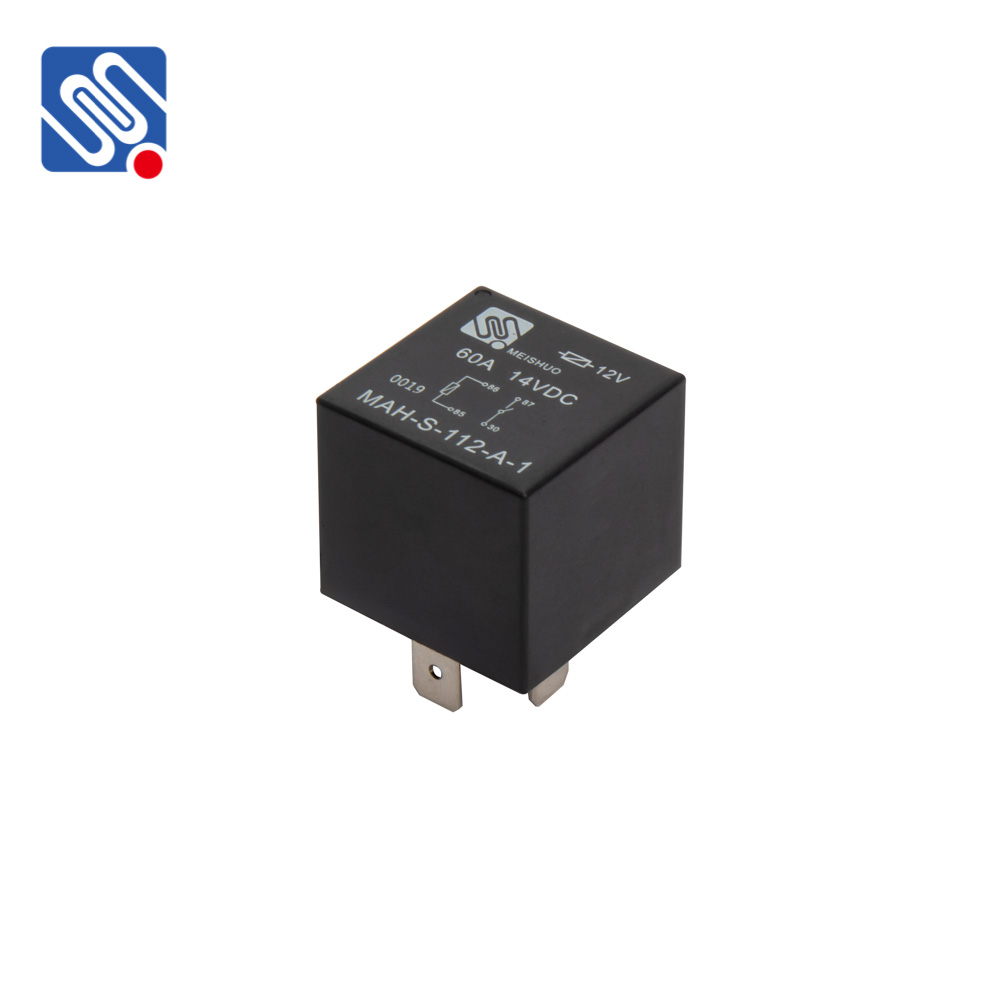
What is a 12V 60A Relay? A 12V 60A relay is an electromagnetic switch that operates on a 12-volt DC control signal and can switch a load of up to 60 amps. This type of relay is commonly used in automotive and industrial applications where high current needs to be switched using low-power signals. For example, a car’s electrical system might use a 12V relay to control the large current required by components like headlights, fans, or motors. The relay essentially serves as an intermediary, allowing a small current (controlled by a microcontroller or a low-voltage switch) to turn on or off a larger current that powers high-energy devices. The 12V control signal activates an electromagnetic coil, which pulls a set of contacts together or apart to either complete or break the circuit.