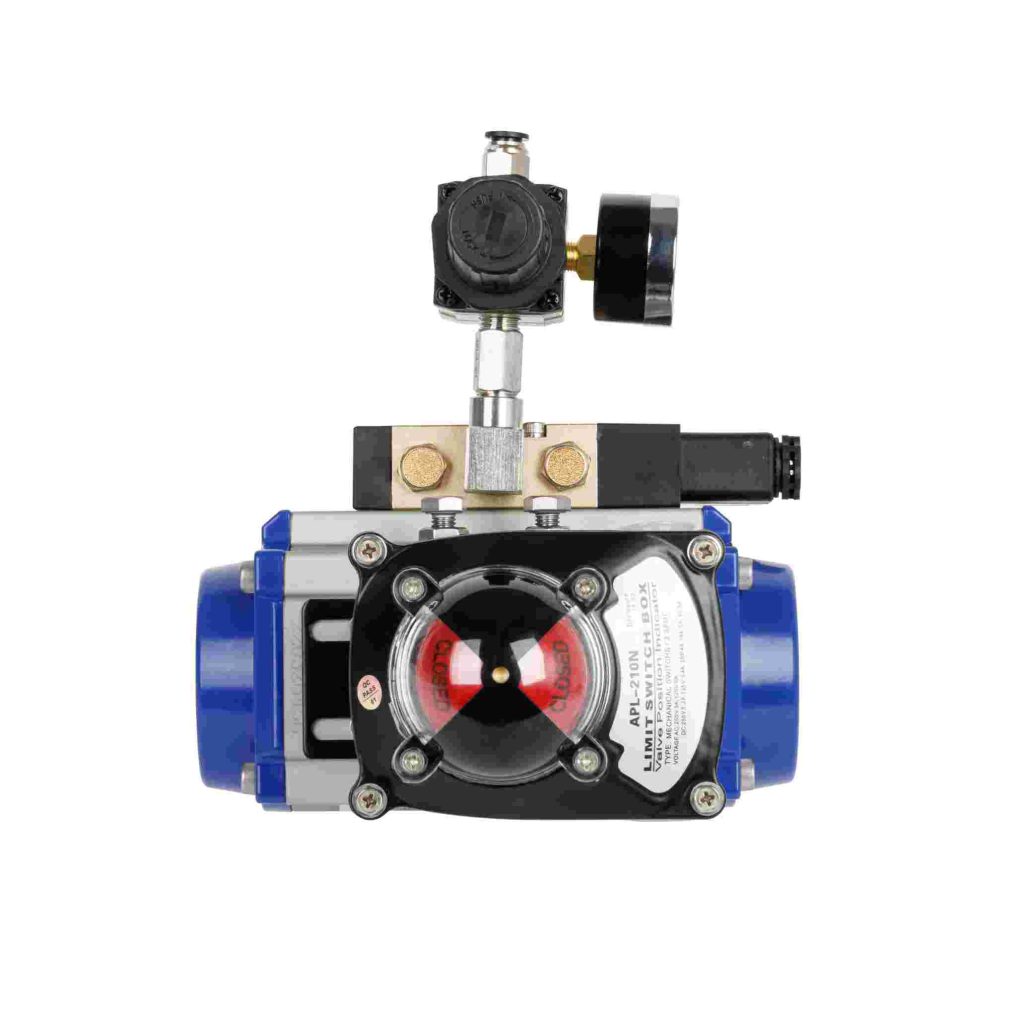
As the world shifts towards sustainable energy solutions to combat climate change and environmental degradation, innovative technologies are emerging to facilitate this transition. One such technology is the Hydrogen Energy Pneumatic Actuator, which combines hydrogen energy with pneumatic actuation to create a cleaner and more efficient means of driving various industrial processes. This article delves into the workings, benefits, applications, and future prospects of hydrogen energy pneumatic actuators.
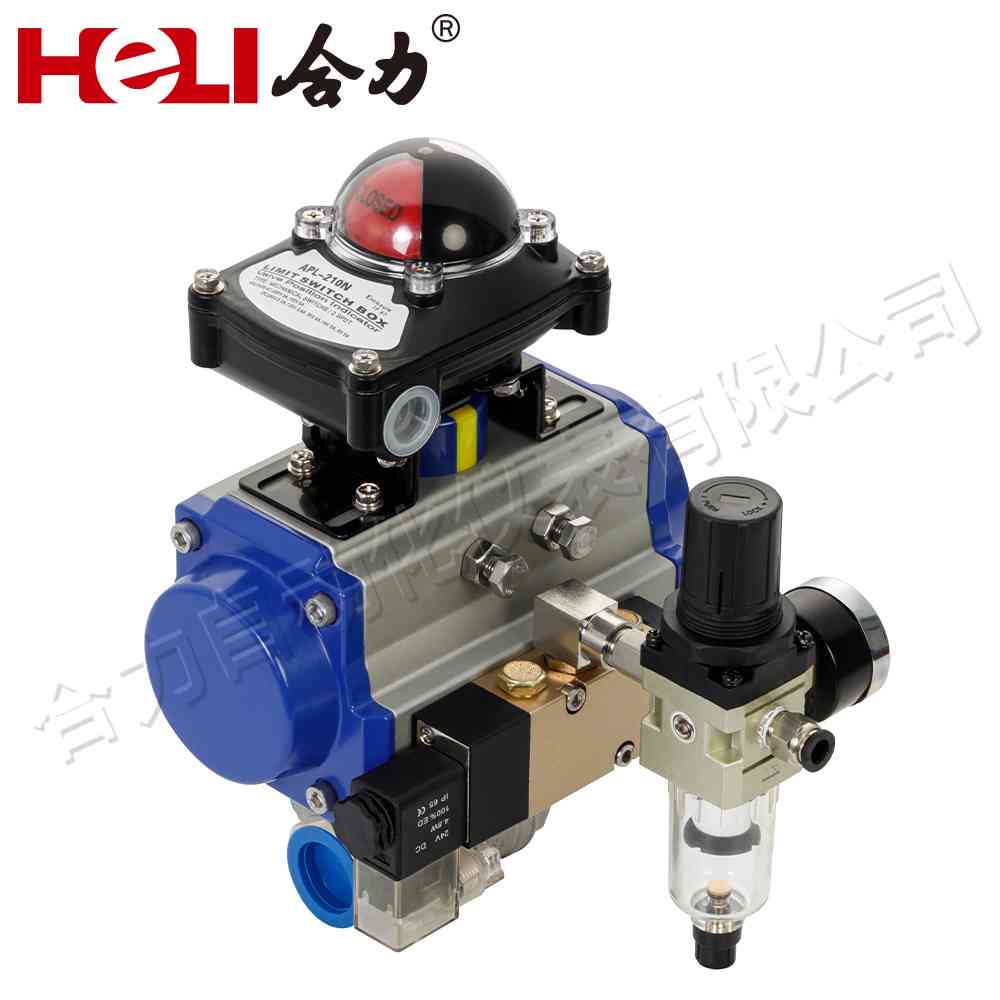
Working Principle
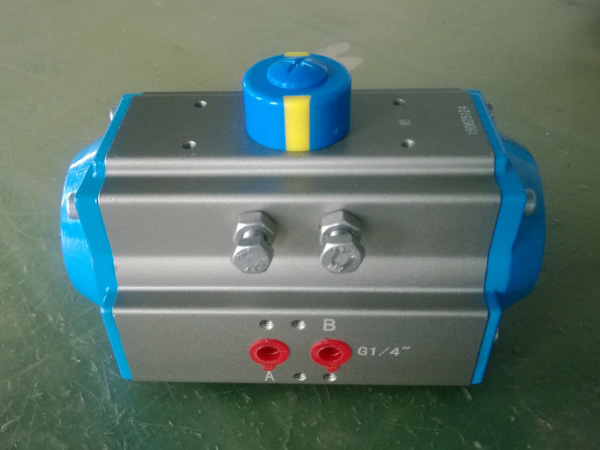
At its core, a hydrogen energy pneumatic actuator operates similarly to traditional pneumatic actuators, which utilize compressed air to generate motion. However, instead of air, hydrogen gas serves as the driving force. The process begins with hydrogen being stored in high-pressure tanks or produced on-demand through hydrogen fuel cells. These cells convert chemical energy into electrical energy, which is then used to power the actuator. When hydrogen gas is released into the actuator, it enters a chamber that houses a piston or diaphragm. The pressure from the gas forces the piston to move, creating mechanical work that can be harnessed to control valves, gates, or other mechanical systems in a precise manner. An electronic control system typically regulates hydrogen flow and pressure, allowing for accurate modulation of the actuator’s movement.