High Flow Solenoid Valves are essential components in various industries that require efficient fluid control. These valves are designed to regulate the flow of liquids and gases in systems where high flow rates and rapid response times are crucial. In this article, we will delve into the intricate details of high flow solenoid valves, discussing their working principles, key features, and a range of applications.
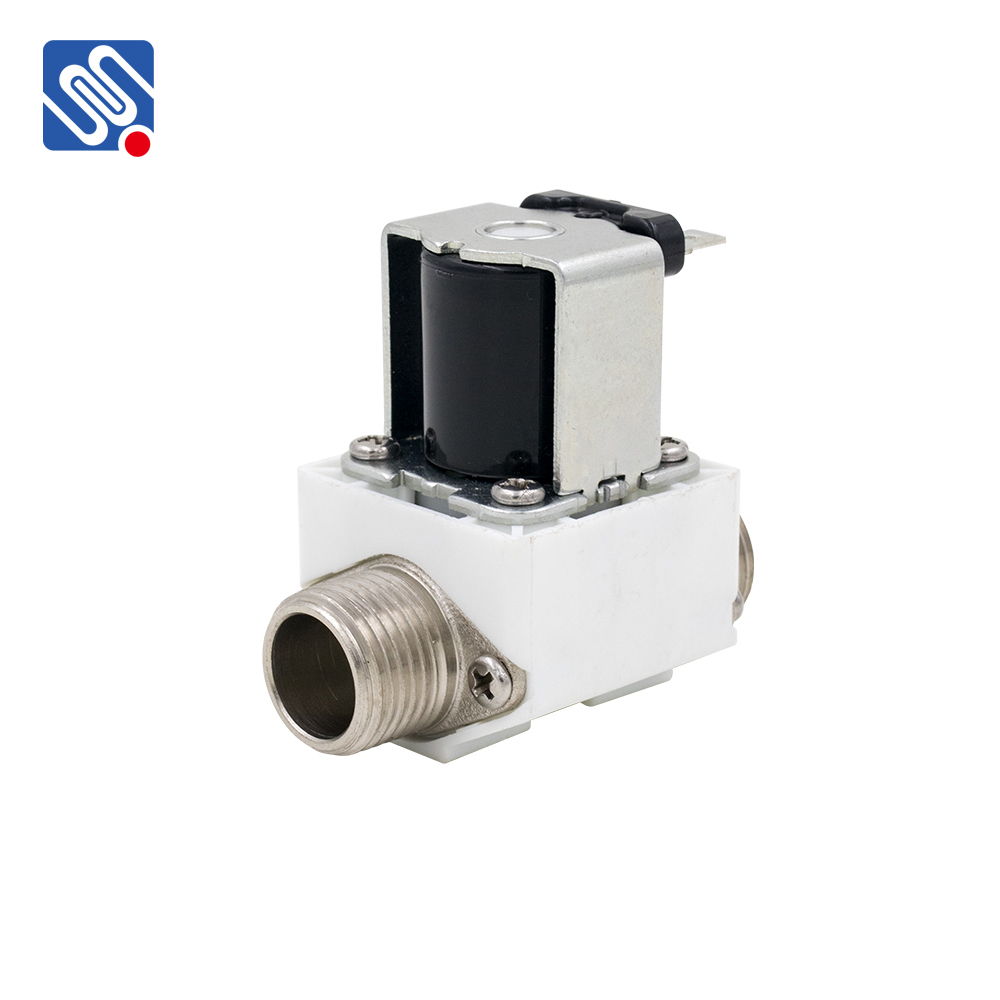
Working Principle The operation of a high flow solenoid valve is based on an electromagnetic mechanism. The valve consists of a coil, a plunger, and a valve body. When an electrical current is applied to the coil, it generates a magnetic field, which moves the plunger. This movement either opens or closes the valve, allowing or restricting the flow of fluid. The response time of these valves is minimal, often within milliseconds, making them ideal for dynamic applications. Key Features High Flow Capacity One of the most significant features of high flow solenoid valves is their ability to handle large volumes of fluid. The design of these valves enables them to maintain optimal flow rates under varying pressure conditions, which is vital in ensuring system efficiency.