Mini solenoid valves, compact yet powerful, have emerged as essential components in modern automation and control systems. These small devices are engineered to control the flow of various fluids—whether gas, liquid, or steam—by utilizing an electromagnetic mechanism. Their efficiency, speed, and versatility make them highly favored in a wide range of industries, including automotive, medical, manufacturing, and HVAC (heating, ventilation, and air conditioning) systems. This article delves into the design, functionality, and applications of mini solenoid valves, highlighting why they have become a staple in modern technology.
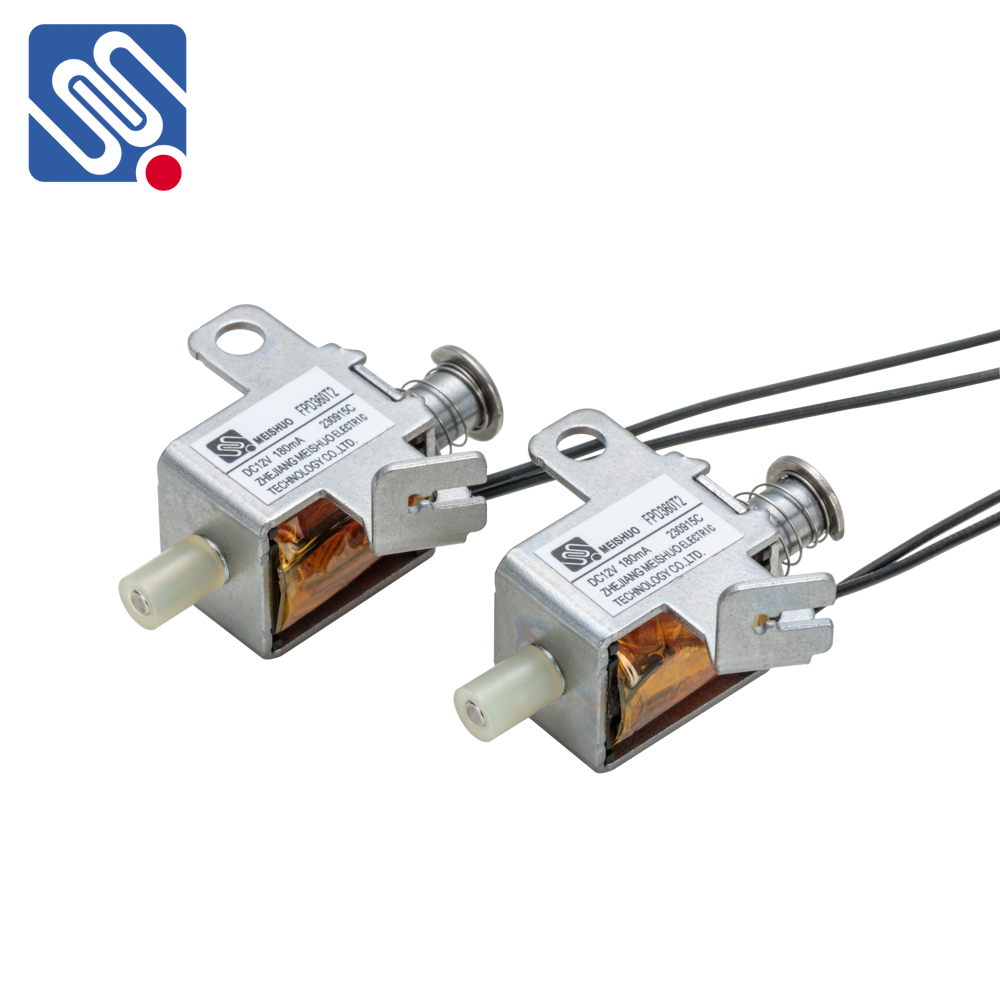
Design and Functionality of Mini Solenoid Valves A solenoid valve consists of a coil, a plunger, and a valve body. When electrical current is applied to the solenoid coil, it creates a magnetic field that moves the plunger within the valve body. This action either opens or closes the valve, allowing or blocking the flow of fluid. Mini solenoid valves, as the name suggests, are designed to be smaller in size, making them ideal for applications where space is limited. The small size does not compromise performance. Despite their compact nature, mini solenoid valves offer fast and precise control over fluid flow. Their response time is typically in the millisecond range, enabling them to operate swiftly in systems that require rapid adjustments.