The Zigbee Relay Module is a key component in the world of wireless communication and automation systems. Built on the Zigbee protocol, which is a low-power, short-range wireless standard, this module enables efficient and reliable control of electrical devices in both residential and industrial environments. In this article, we will explore the core features, applications, and benefits of the Zigbee Relay Module.
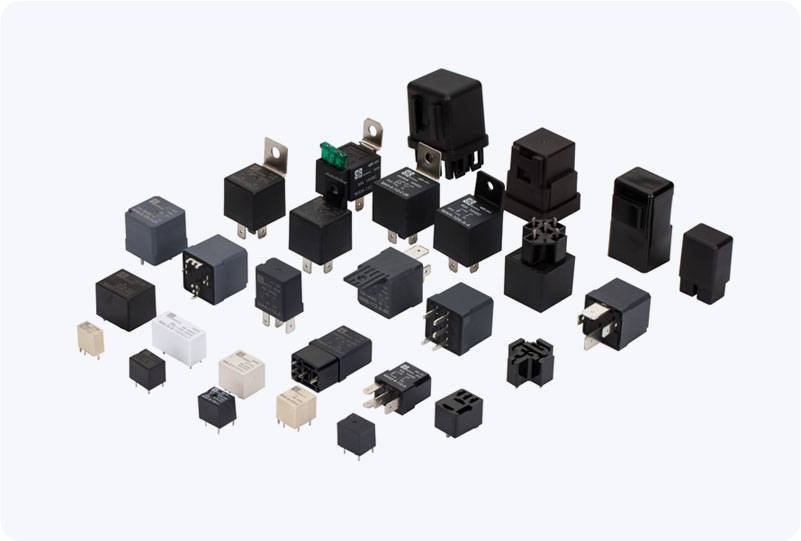
What is the Zigbee Relay Module? The Zigbee Relay Module is an electronic device that uses the Zigbee communication protocol to remotely control electrical equipment, such as lights, fans, and other appliances. It integrates a relay switch, which can be used to control high-voltage or high-power devices, with Zigbee technology, allowing it to be controlled wirelessly. This combination provides a versatile and cost-effective solution for automating various devices. Zigbee is a mesh network protocol designed specifically for low-power, low-data-rate devices. It operates on the IEEE 802.15.4 standard, and devices within a Zigbee network communicate with each other to form a mesh, enhancing network reliability and scalability. The Zigbee Relay Module is designed to work in such networks, making it a vital part of smart home and industrial automation setups.