In various industrial and domestic applications, the choice of materials and equipment profoundly affects the efficiency, safety, and longevity of water systems. Among these critical components, plastic valves have become increasingly popular due to their numerous advantages. This article will explore the types, benefits, applications, and considerations of using plastic valves for water systems.
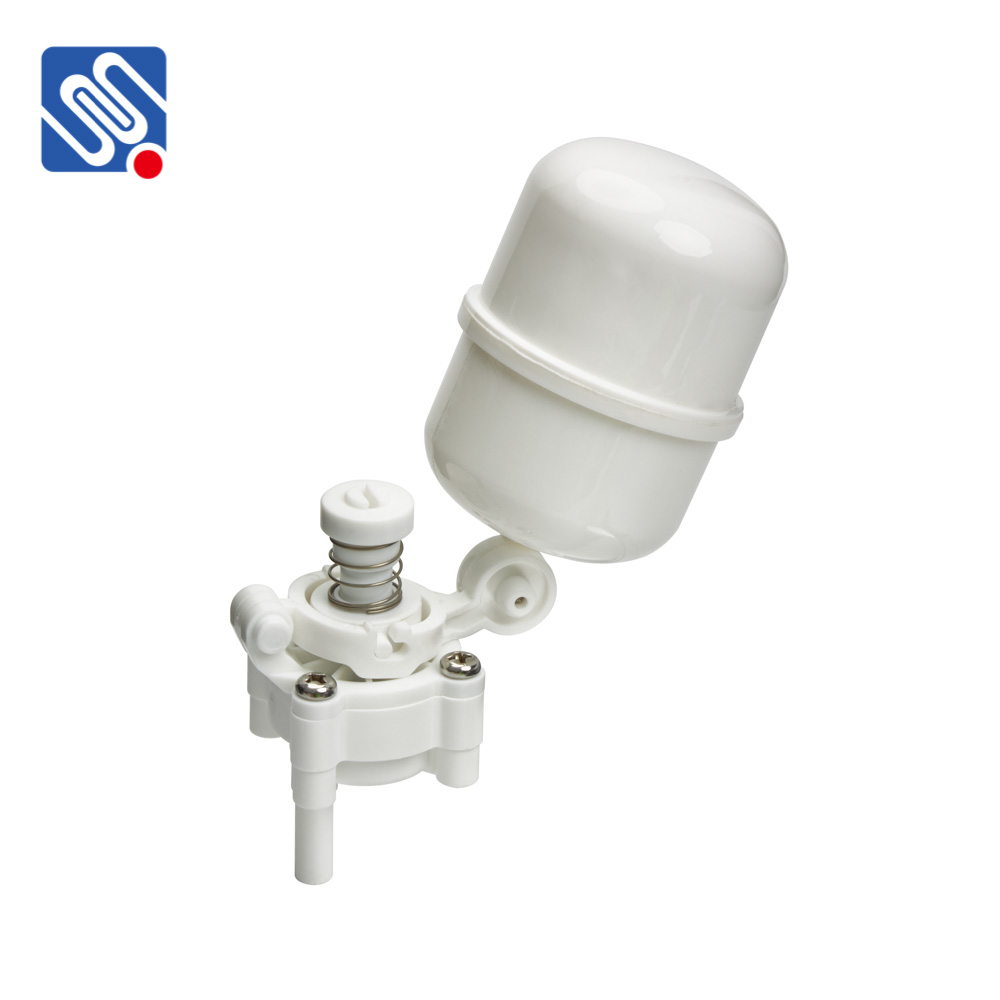
Understanding Plastic Valves Plastic valves are designed to control the flow of fluids in a system. Made from materials such as Polyvinyl Chloride (PVC), Polypropylene (PP), and Polyethylene (PE), these valves possess excellent properties that make them suitable for various water applications. Types of Plastic Valves There are several types of plastic valves commonly utilized in water systems, each serving specific functions: Ball Valves: These valves are employed for quick shut-off and precise flow control. Featuring a spherical closure element (the ball), they can be easily opened or closed with a quarter turn, providing excellent sealing capabilities.