The 12V 40A relay is a crucial component in modern electronic applications, particularly in automotive and industrial sectors. Its ability to control high-power devices using low-power signals makes it an essential tool for engineers and hobbyists alike. This article delves into the functionality, applications, and important considerations when using 12V 40A relays.
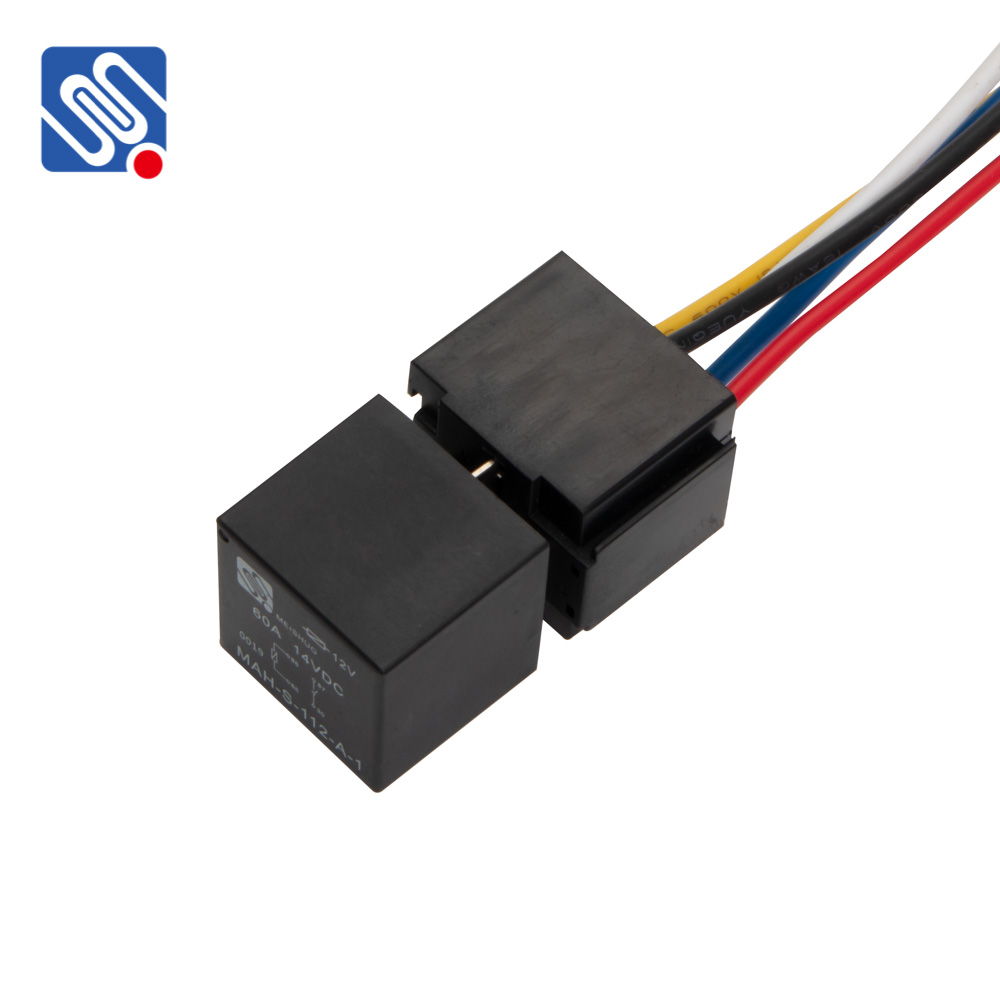
What is a 12V 40A Relay? A relay is an electromechanical switch that allows one circuit to control another circuit without a direct connection. The 12V 40A relay specifically operates at a nominal voltage of 12 volts and can switch loads of up to 40 amps. This type of relay typically consists of a coil and a set of contacts. When an electric current passes through the coil, it generates a magnetic field that actuates the relay’s armature, either closing or opening the contacts. How Does It Work? The operation of a 12V 40A relay is relatively straightforward. When a control voltage (in this case, 12V) is applied to the coil, it energizes the coil, creating a magnetic field. This magnetic field attracts the armature, closing the circuit connected to the load. Depending on the configuration of the relay, it can either be a normally open (NO) or normally closed (NC) type. A normally open relay will complete the circuit when powered, while a normally closed relay will break the circuit.