Relay technology has emerged as a critical component in various fields, including telecommunications, computer networking, and industrial automation. By serving as intermediaries that receive, process, and forward data or signals, relay systems enhance the reliability, efficiency, and reach of communication. This article delves into the different facets of relay technology and its implications for modern systems.
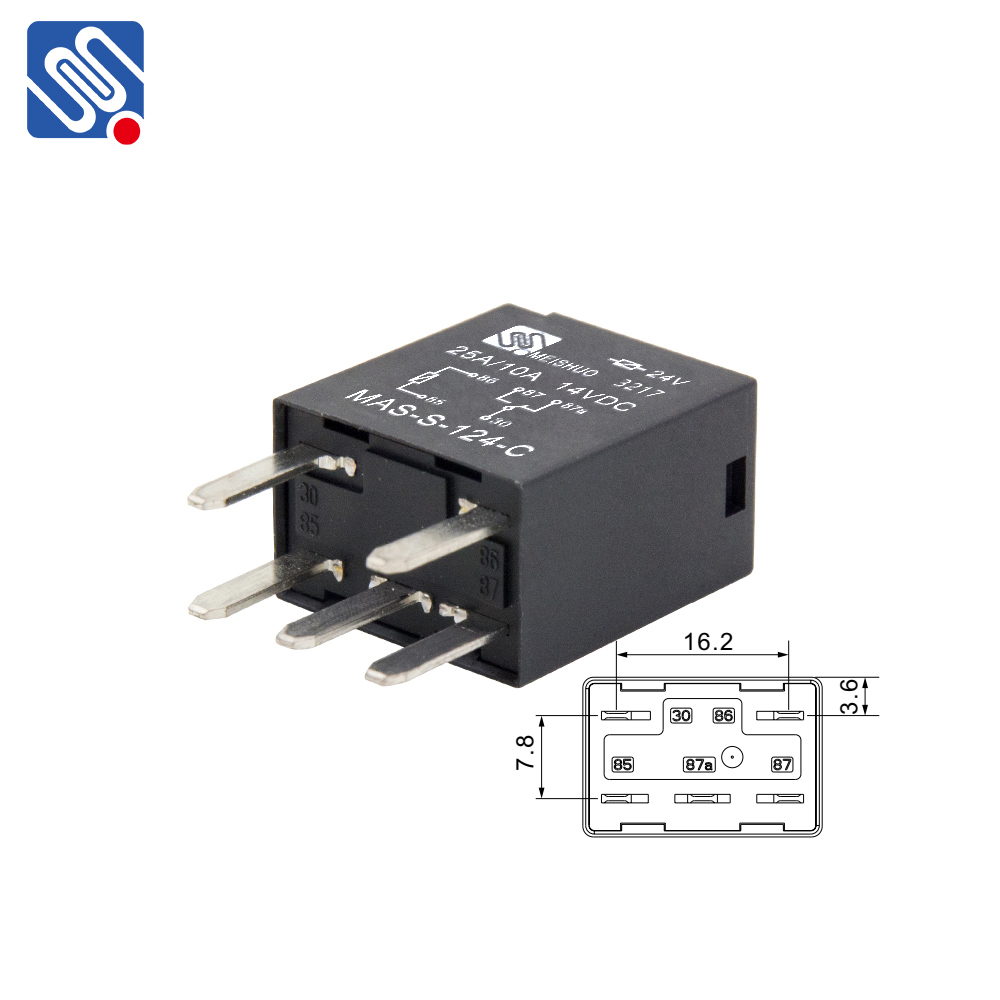
At its core, relay technology operates based on a principle of signal amplification and transmission. It can be thought of as a switch that connects two distinct points, allowing data or signal movement between them. This fundamental mechanism is not only applicable to physical relay systems, such as electromechanical switches, but also extends into the digital realm through software-based relay applications. In the telecommunications sector, relay technology is particularly vital. It enables the transmission of voice and data over vast distances, which would be unfeasible without intermediate relay stations. For instance, in mobile networks, signals from a mobile device are received by a relay station that forwards the information to a core network. This process ensures that users enjoy uninterrupted service, even in areas where direct transmission would typically fail due to distance or obstacles. Furthermore, relay technology allows for the establishment of a robust network infrastructure capable of handling large volumes of data traffic.