Relay efficiency is a critical concept in the domain of wireless communication, especially in systems that utilize relays to extend the range and improve signal quality. In simple terms, relay efficiency refers to the ability of a relay to transfer information with minimal energy loss, signal degradation, and noise interference while ensuring high transmission quality. As communication systems become increasingly complex, especially with the advent of 5G and the Internet of Things (IoT), understanding and optimizing relay efficiency is essential to ensure reliable and efficient communication.
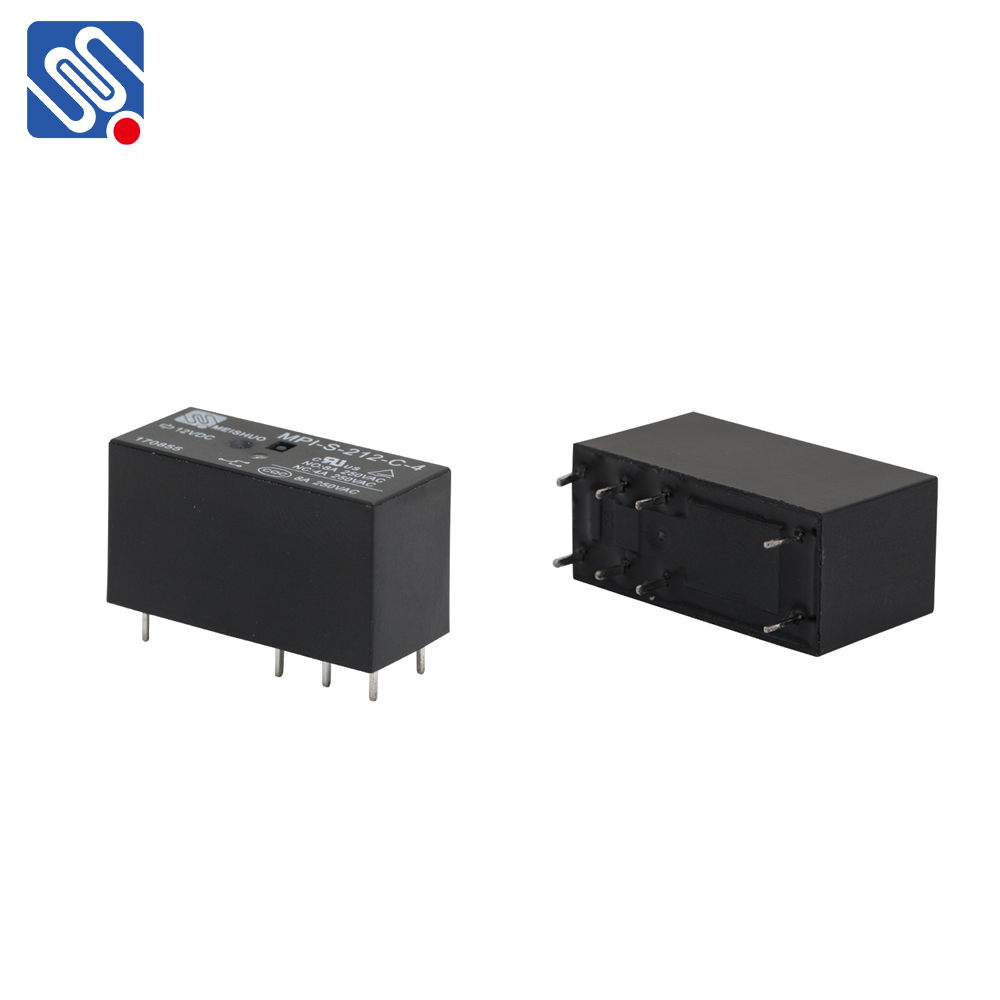
The Importance of Relay Efficiency In traditional communication systems, data is transmitted from the source to the destination in a direct manner. However, in many real-world applications, direct transmission may not always be feasible due to distance, physical barriers, or interference. This is where relay stations come into play. Relays act as intermediate nodes that forward signals from the source to the destination, thus overcoming obstacles like signal attenuation and enhancing overall network coverage. Relay efficiency becomes crucial in such systems as it determines how well the relay can preserve the quality of the transmitted signal and how effectively it can manage the energy required for the transmission. High relay efficiency ensures that the relay system contributes to minimizing the total energy consumption of the network, while maintaining high throughput and low error rates.