Electrical equipment lockouts are an essential part of ensuring worker safety during maintenance, repairs, and inspections. They are designed to prevent equipment from being accidentally energized or started during such activities, reducing the risk of electrical shock or other hazards. However, the effectiveness of these lockout systems extends beyond their initial installation, and their after-sales service plays a crucial role in maintaining long-term safety and operational reliability. This article explores the importance of Electrical Equipment Lockouts after-sales service, focusing on its key components, benefits, and best practices.
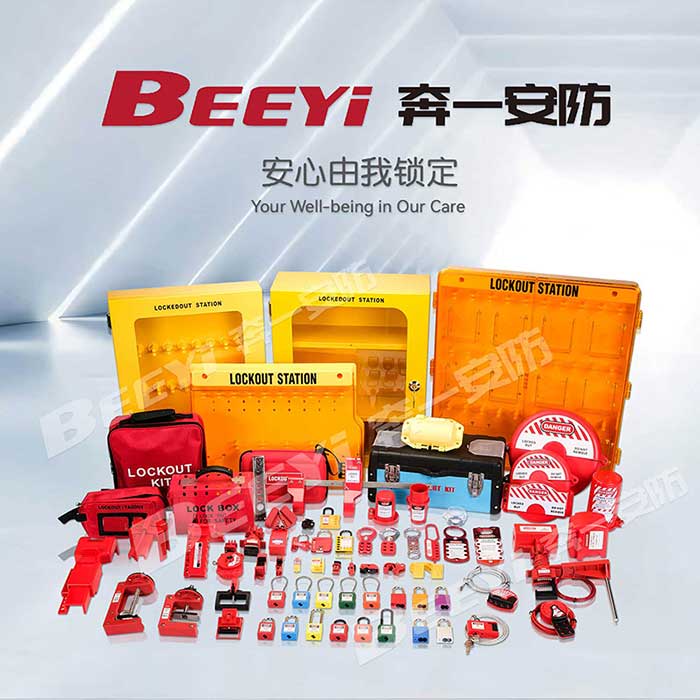
What is Electrical Equipment Lockout? Electrical equipment lockout refers to a safety procedure used to isolate and de-energize electrical systems and equipment to protect workers from accidental electrical hazards. It typically involves the use of physical locks, tags, and other safety devices to ensure that equipment cannot be operated until the lockout is removed by an authorized individual. These lockout devices are crucial in industries where maintenance on electrical systems is routine, such as manufacturing, construction, and energy sectors. The Importance of After-Sales Service