Electric Vehicle (EV) technology has rapidly evolved, with advancements in battery efficiency, charging speed, and motor performance. Among the crucial components that ensure the safety and reliability of these high-performance systems is the Electric Vehicle High Voltage Relay. This unsung hero plays a pivotal role in managing the flow of electricity between the battery, electric motor, and various other high-voltage systems within the vehicle. In this article, we will explore the function, importance, and challenges surrounding high-voltage relays in electric vehicles.
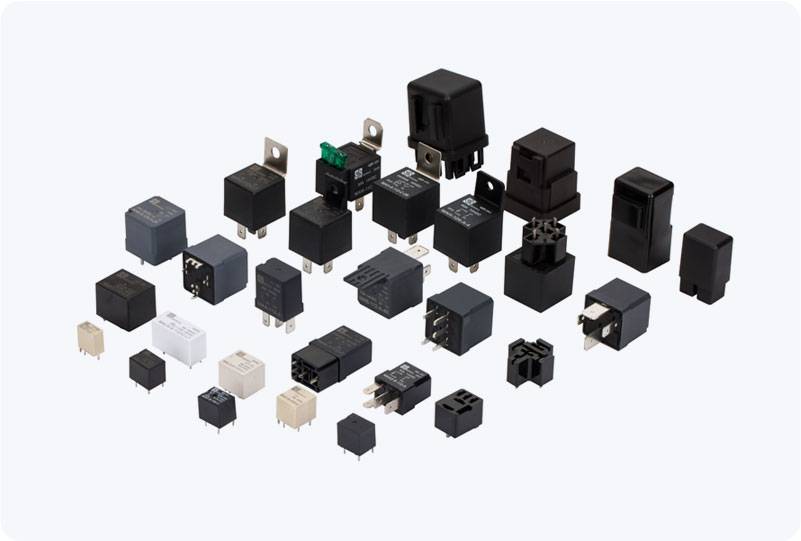
The Role of High Voltage Relays in Electric Vehicles An Electric Vehicle High Voltage Relay is essentially an electrical switch that is responsible for controlling the high-voltage circuits within an EV. It isolates different systems in the vehicle, ensuring the safety of the battery, electric motor, and other components that operate at high voltage. The relay is a crucial component of the vehicle’s high-voltage system, and its primary function is to switch the high-voltage circuits on and off as needed. Key Functions of Electric Vehicle High Voltage Relays Circuit Isolation for Safety