Electric vehicles (EVs) have revolutionized the automotive industry, offering a cleaner, more sustainable alternative to traditional gasoline-powered cars. One of the essential components that make EVs safe and efficient is the Electric Vehicle High Voltage Relay. This crucial electrical component plays a significant role in managing the high-voltage power system of an electric vehicle, ensuring smooth and secure operation.
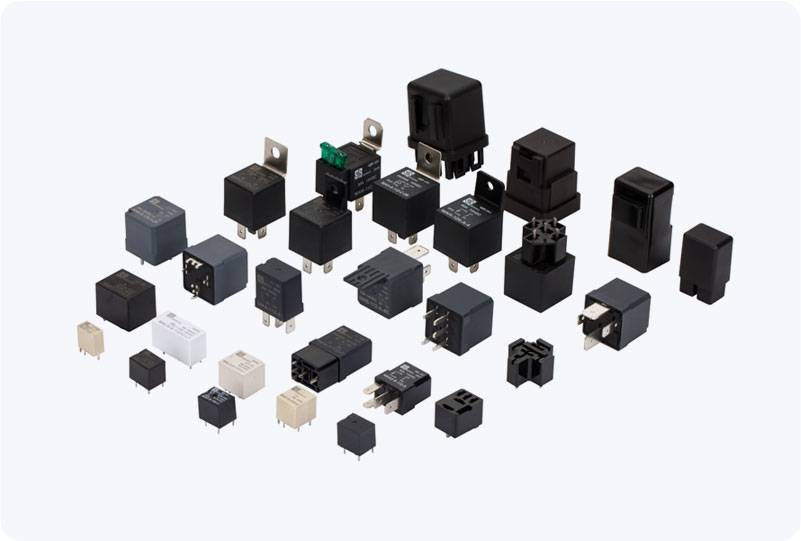
What is an Electric Vehicle High Voltage Relay? An Electric Vehicle High Voltage Relay is an electromechanical switch designed to control the high-voltage circuits within an electric vehicle, typically ranging from 200 to 800 volts, depending on the vehicle’s battery configuration. The relay is responsible for controlling the connection between the battery pack and the motor, ensuring power is supplied when needed and isolating the power circuits for safety during charging, maintenance, or in the event of a malfunction. Key Functions of High Voltage Relays in Electric Vehicles Battery Isolation and Protection: High voltage relays are essential for isolating the battery pack from the rest of the electrical system when necessary. During a crash, a system failure, or when the vehicle is off, the relay disconnects the high-voltage power source, preventing any potential electrical hazards. This feature is vital for the safety of both the vehicle and its occupants, ensuring that no electrical current can flow through the system unless it is safe to do so.