The electric vehicle (EV) revolution is rapidly reshaping the automotive industry, and at the heart of this transformation lies a critical component that ensures safety, performance, and efficiency: the Electric Vehicle High Voltage Relay (HV Relay). This unassuming yet vital part of the electric drivetrain plays a crucial role in controlling the high-voltage systems that power electric vehicles. From battery management to motor control and charging systems, the HV Relay is responsible for safely connecting and disconnecting circuits, preventing potential electrical hazards, and enabling efficient operation. This article explores the significance of the Electric Vehicle High Voltage Relay, its working principles, and its impact on EV functionality and safety.
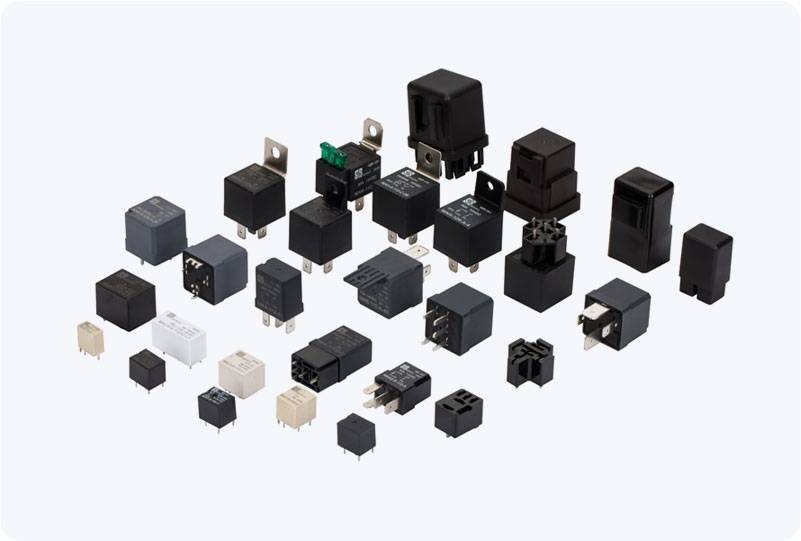
What is an Electric Vehicle High Voltage Relay? An Electric Vehicle High Voltage Relay is an electromechanical switch that controls the flow of electrical current between various high-voltage components in an electric vehicle. Typically used in high-voltage circuits, including battery packs, motors, and charging systems, these relays are designed to manage electrical connections in systems that operate at voltages ranging from 300V to 800V, or even higher in some advanced EV models. The relay enables the vehicle to safely start, operate, and shut down by managing the connection between power sources and electrical loads.