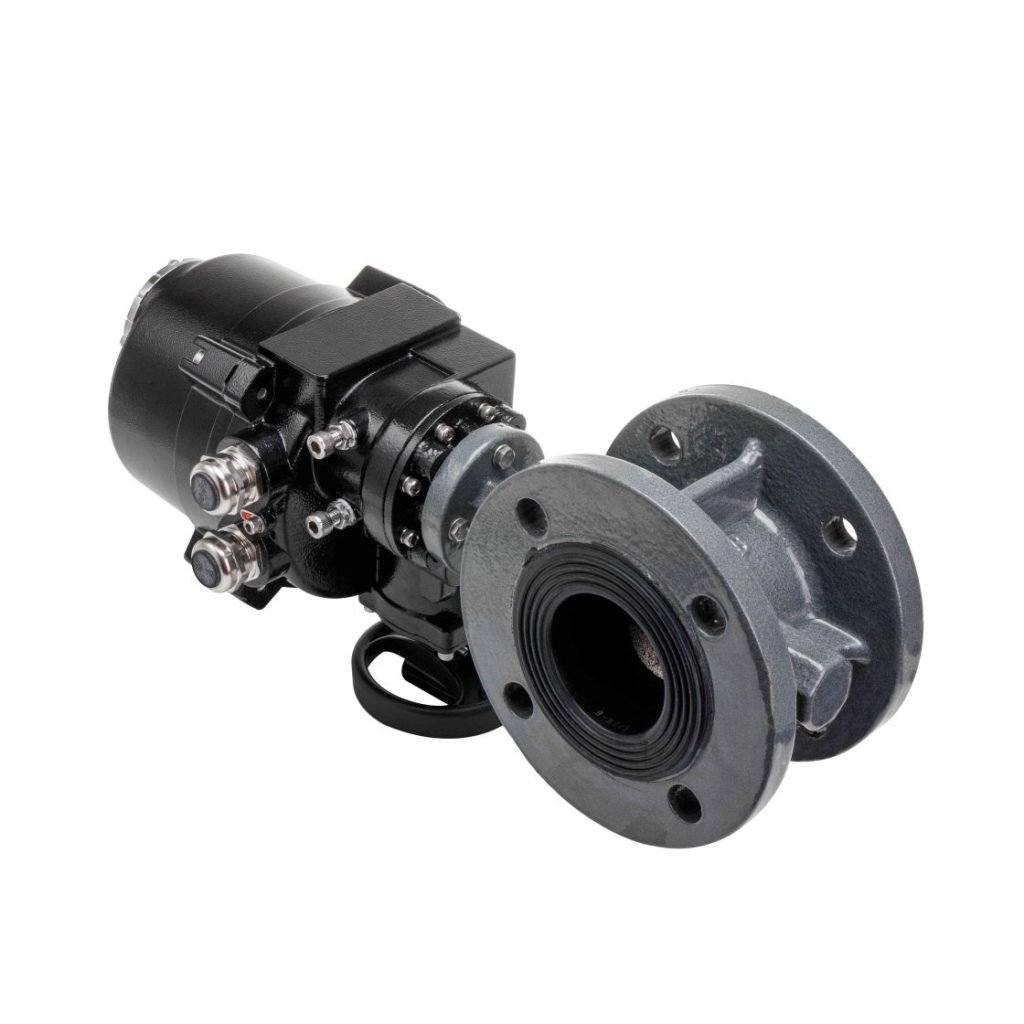
Electric ball valves are indispensable components in modern industrial automation systems, offering precise control over fluid flow in a wide range of applications. These valves, which operate using an electric actuator to control the position of the valve ball, play a crucial role in systems that require automated flow regulation of liquids and gases. The functionality, reliability, and ease of integration make electric ball valves an ideal choice for many industries, from water treatment plants to chemical processing and HVAC systems.
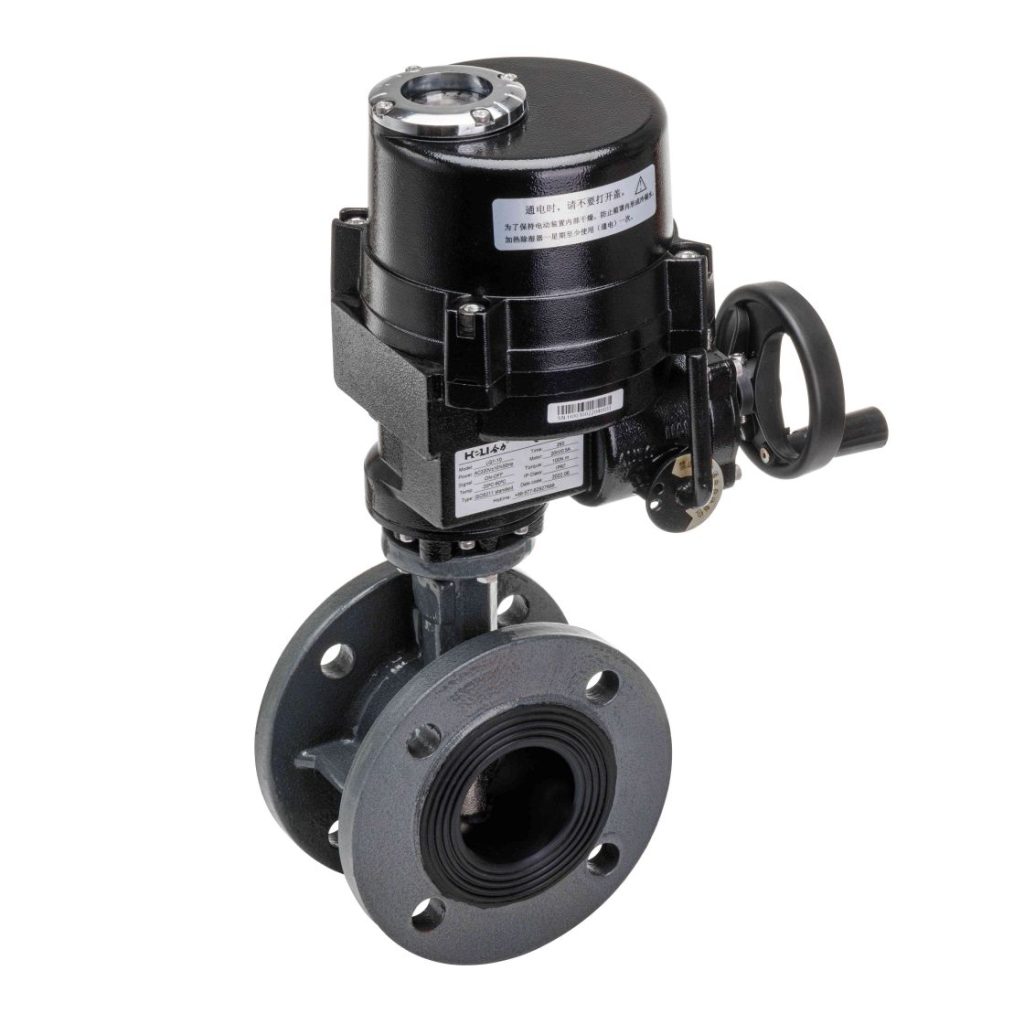
What is an Electric Ball Valve?
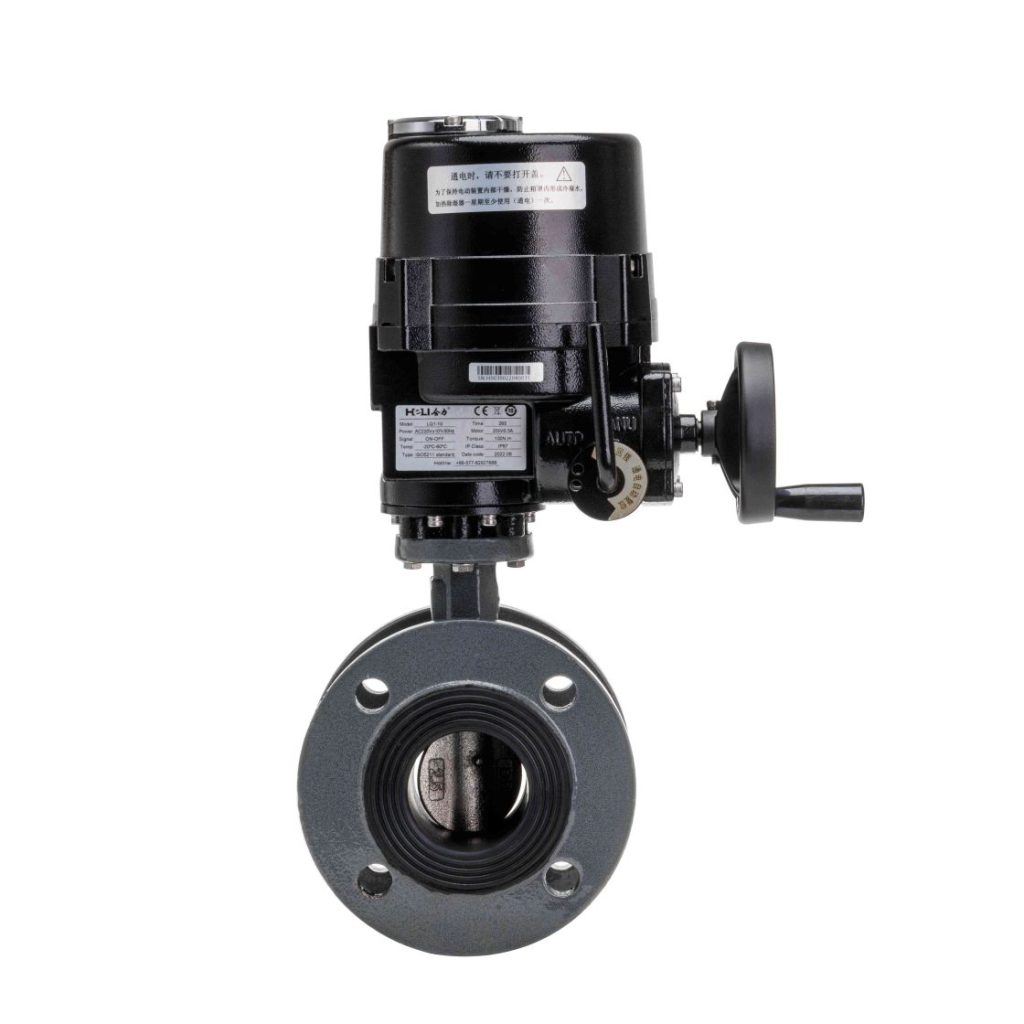
At its core, an electric ball valve consists of a ball with a hole in the center, which rotates to control the flow of fluid through a pipe. The ball valve is typically controlled by an electric actuator, which moves the ball into the open or closed position. The actuator is powered by an electric motor, and it can receive either a simple open/close signal or more complex control signals to adjust the valve to a specific position. Components of an Electric Ball Valve Valve Body and Ball: The main body of the valve houses the ball, which is usually made of materials like stainless steel or brass. The ball’s hole is aligned with the pipe for flow to occur, or it is rotated 90 degrees to stop the flow completely.