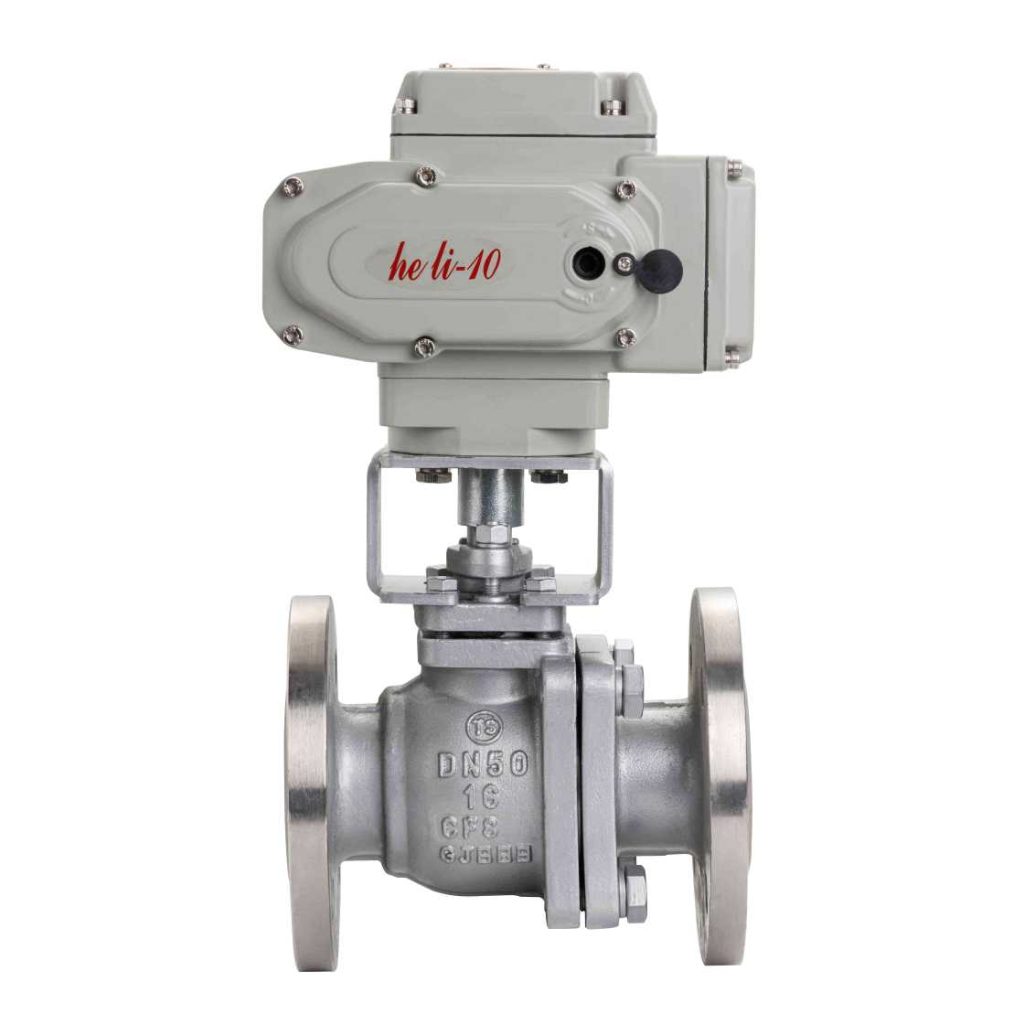
Electric anti-corrosion ball valves are becoming essential in various industrial applications due to their reliability, efficiency, and durability in challenging environments. These advanced valves, driven by electric actuators, play a crucial role in controlling the flow of fluids and gases while resisting the harsh effects of corrosive substances. In this article, we will explore the significance of electric anti-corrosion ball valve manufacturers and how their products are reshaping fluid control across industries.
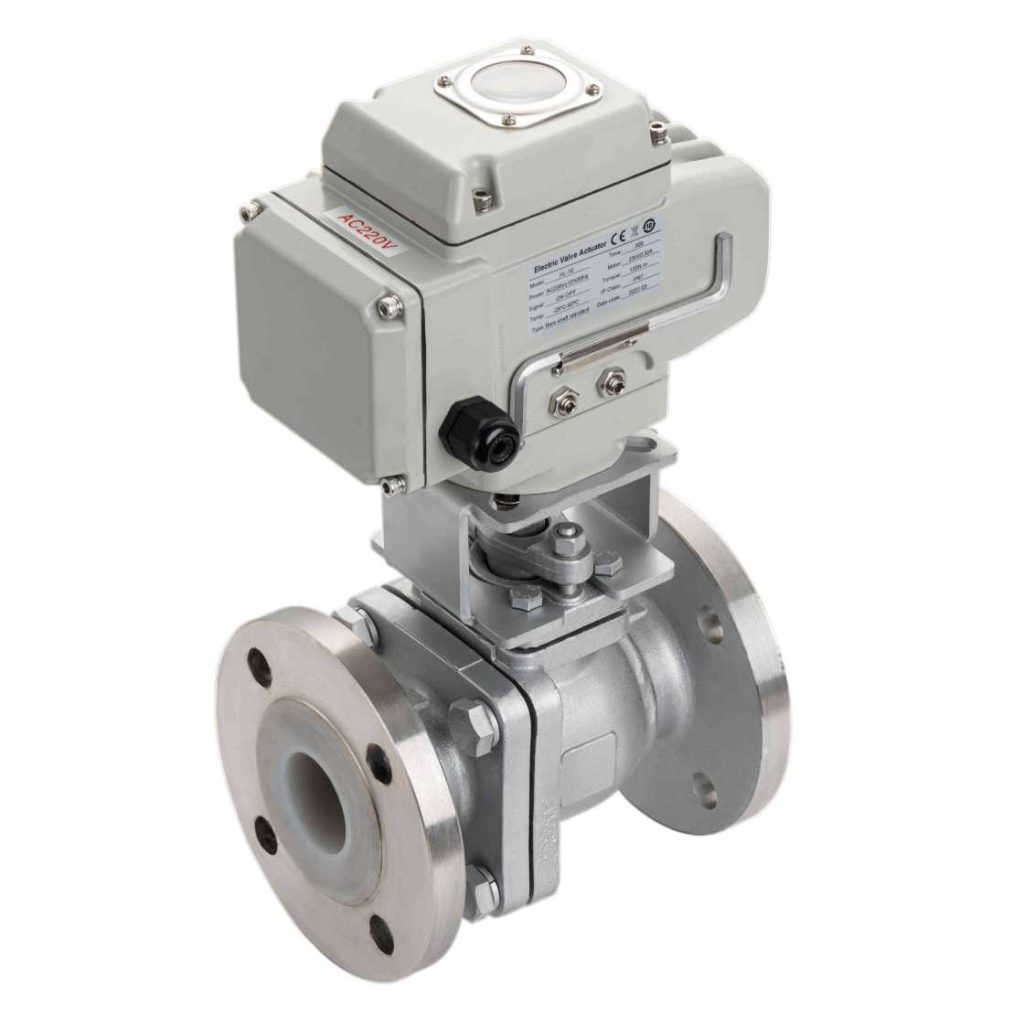
Introduction to Electric Anti-Corrosion Ball Valves
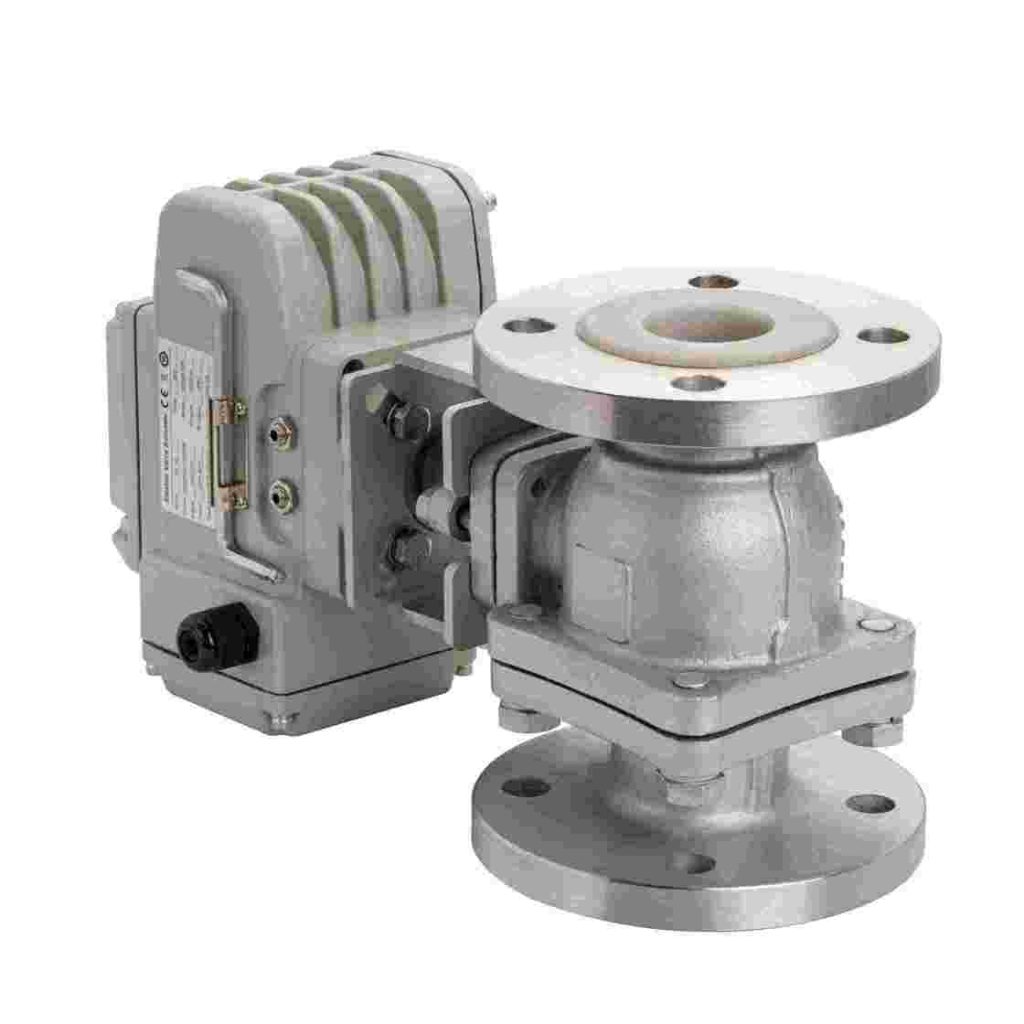
Ball valves, a type of flow control device, feature a spherical ball with a hole in the middle. When the ball rotates, it either allows or blocks the flow of fluids. Unlike other types of valves, ball valves are known for their quick operation, high reliability, and versatility. However, the primary challenge for ball valves is their vulnerability to corrosion when exposed to aggressive chemicals, salts, and other corrosive agents. This is where electric anti-corrosion ball valves come into play. An electric anti-corrosion ball valve is equipped with a specialized electric actuator and is often made with corrosion-resistant materials, such as stainless steel, PTFE (polytetrafluoroethylene), or PVC. These materials enable the valve to withstand exposure to corrosive chemicals, making them ideal for industries like chemical manufacturing, oil and gas, and water treatment, where corrosive media is prevalent.