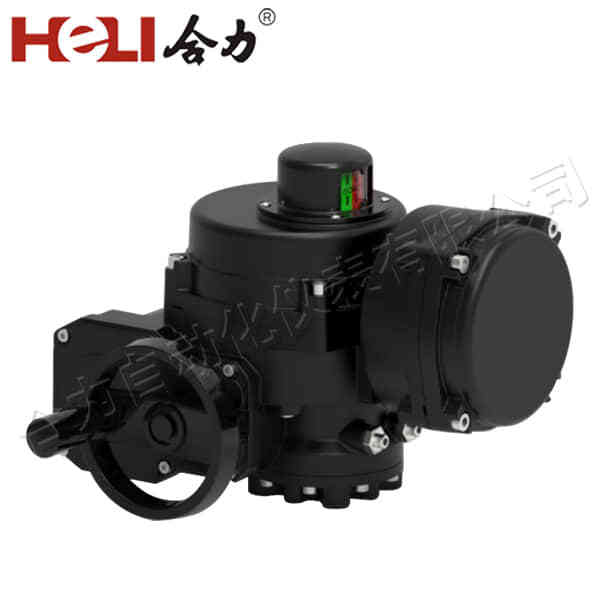
Electric actuator valves play a pivotal role in modern automation systems, especially in industries where precision and reliability are critical. From controlling the flow of liquids and gases to maintaining pressure and temperature, electric actuator valves offer a sophisticated solution for managing fluid dynamics. This article explores the function, components, and advantages of electric actuator valves, along with their applications across various industries.
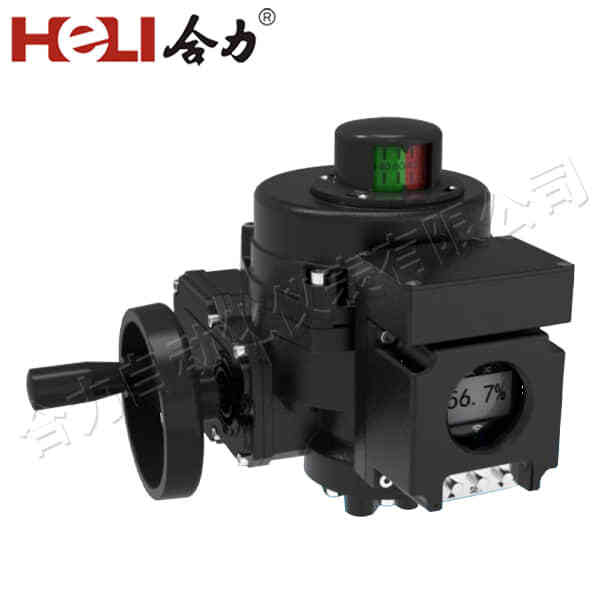
What is an Electric Actuator Valve?
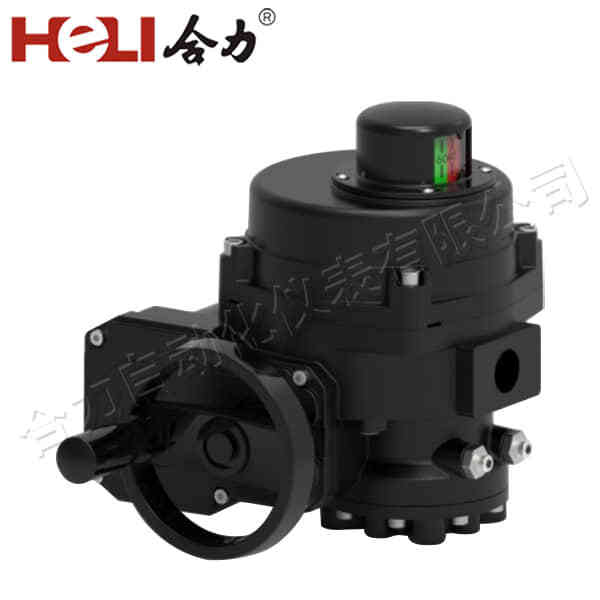
An electric actuator valve is a type of valve that is controlled by an electric actuator. The actuator converts electrical energy into mechanical movement, opening or closing the valve to regulate the flow of fluids, gases, or slurries within a pipeline. Unlike traditional manual valves, which require human intervention, electric actuator valves allow for remote or automated control, improving efficiency and safety in various processes. Electric actuator valves are often used in applications where precision is essential and where the process must be monitored and controlled continuously. These valves can handle a wide range of sizes, from small-scale systems in homes and buildings to large-scale industrial operations.