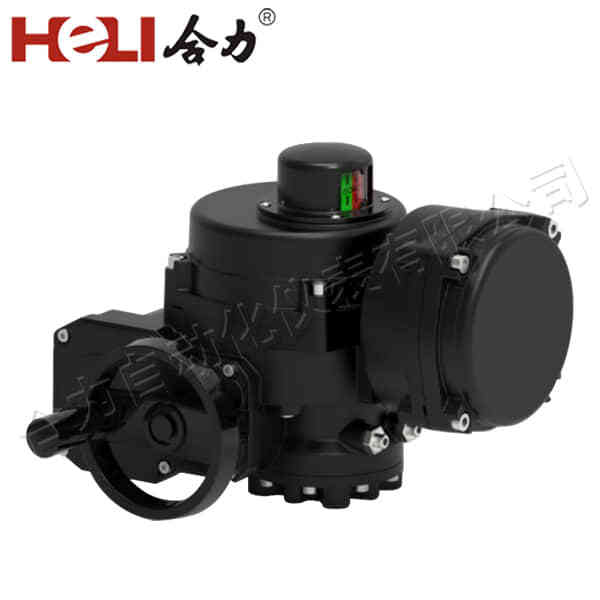
Electric actuator valves have become an integral part of modern industrial automation systems. As industries worldwide demand greater precision, reliability, and efficiency, these valves offer an advanced solution to fluid control problems. In this article, we will delve into the features, applications, advantages, and future of electric actuator valves, emphasizing their importance in various sectors.
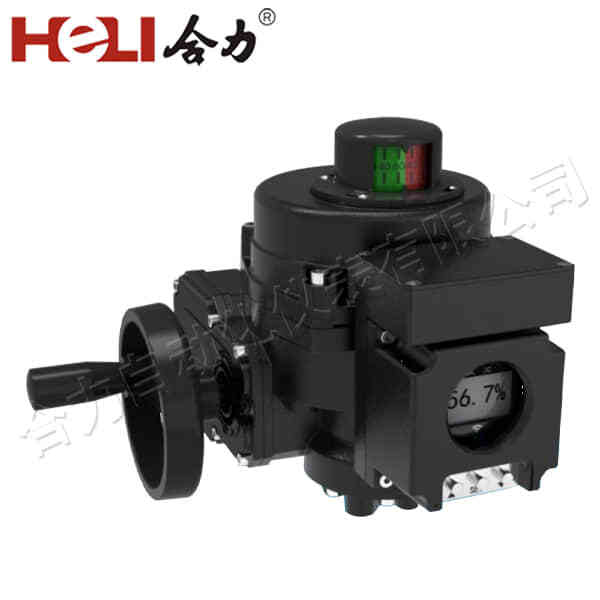
What is an Electric Actuator Valve?
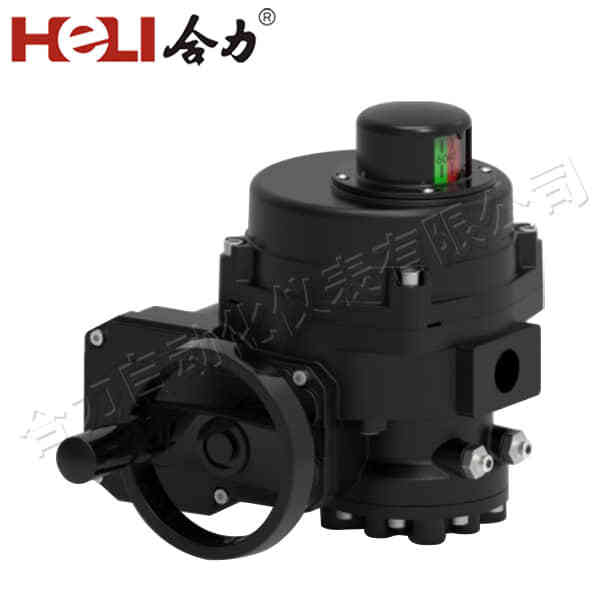
An electric actuator valve is a type of valve that uses an electric motor to open, close, or modulate the flow of a fluid or gas through a pipe. The actuator, a motorized device, translates electrical signals into mechanical movement, which in turn adjusts the position of the valve. Unlike pneumatic or hydraulic actuators, which rely on compressed air or fluid power, electric actuators provide more precise control and greater energy efficiency, making them ideal for applications that require fine-tuning or remote operation. Electric actuators can operate on various types of valves, such as ball valves, butterfly valves, globe valves, and gate valves. These valves can be either on/off (for fully open or fully closed positions) or modulating (for controlling the flow rate or pressure within a pipeline). The type of actuator selected depends on the valve’s application, as well as the specific needs of the system, such as the required torque, speed, and power.