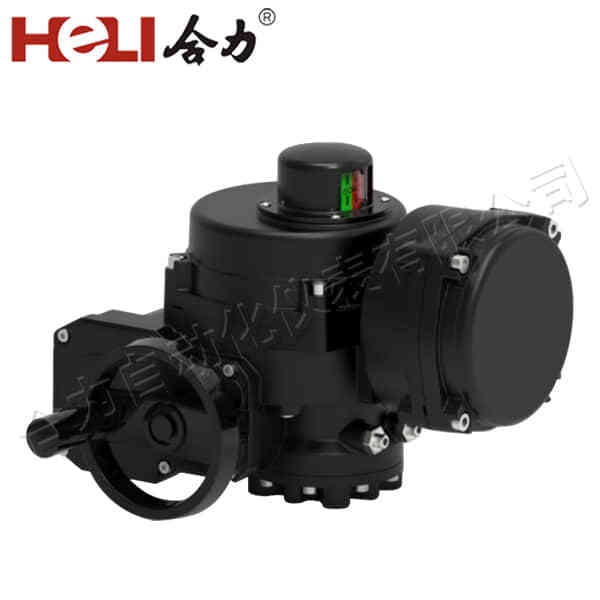
The electric actuator valve is a cutting-edge technological advancement that plays a crucial role in the automation of fluid control systems. Combining the precision of electric actuators with the functionality of valves, this device has become indispensable in various industries, including chemical, oil, gas, power generation, and water treatment. In this article, we explore the key features, working principles, applications, advantages, and challenges of electric actuator valves, shedding light on their essential contribution to modern industrial processes.
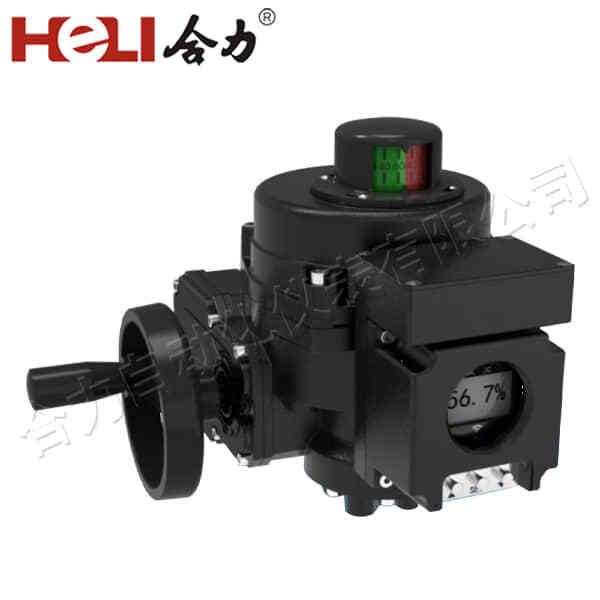
Introduction to Electric Actuator Valves
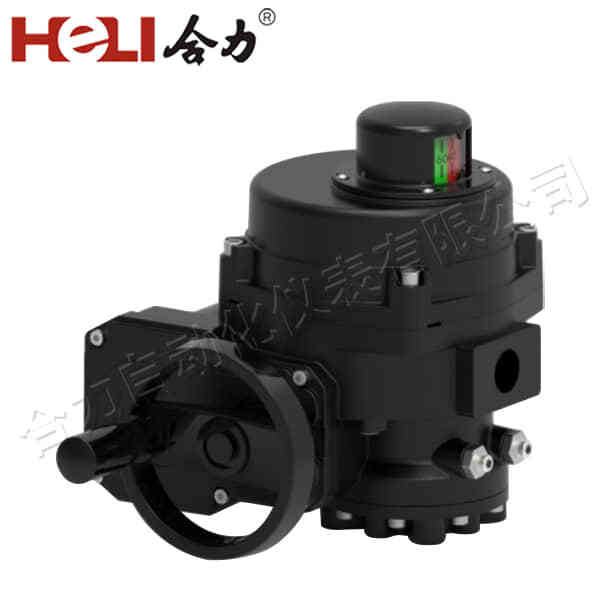
An electric actuator valve is a device designed to regulate fluid flow, pressure, and temperature within a pipeline or system. It consists of two primary components: the electric actuator and the valve itself. The actuator is responsible for driving the valve to its desired position, while the valve controls the flow of fluids, including liquids, gases, and steam. The electric actuator valve is typically used in systems where precise control, automation, and remote operation are required. Key Components and Working Principles The key components of an electric actuator valve include: Electric Actuator: This is the heart of the system, containing an electric motor, gear mechanisms, and a controller. The actuator converts electrical energy into mechanical motion, which is then transmitted to the valve, causing it to open, close, or adjust its position. Electric actuators are powered by various sources, such as AC or DC voltage, and can be designed for a wide range of torque and speed requirements.