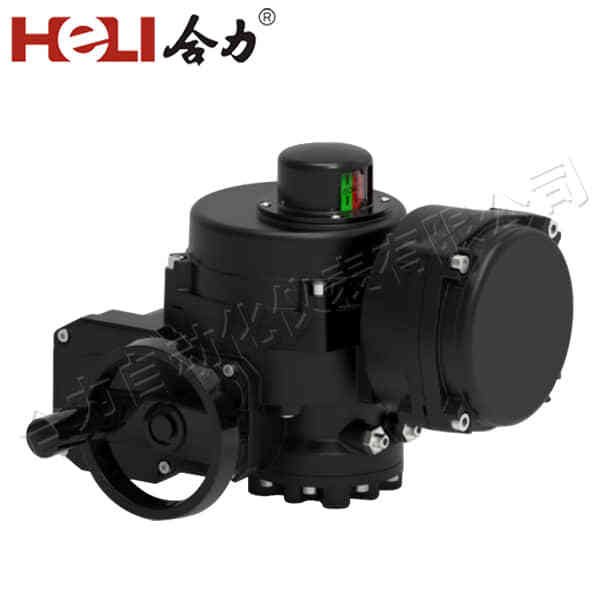
Electric actuators for valves have become an essential part of modern industrial systems. These devices play a crucial role in automating valve operations, which are integral to processes in sectors such as oil and gas, water treatment, chemical processing, and many others. By converting electrical energy into mechanical motion, electric actuators provide precise, reliable, and efficient control over the flow of fluids and gases. This article will explore the workings, benefits, and applications of electric actuators for valves, highlighting their growing importance in various industries.
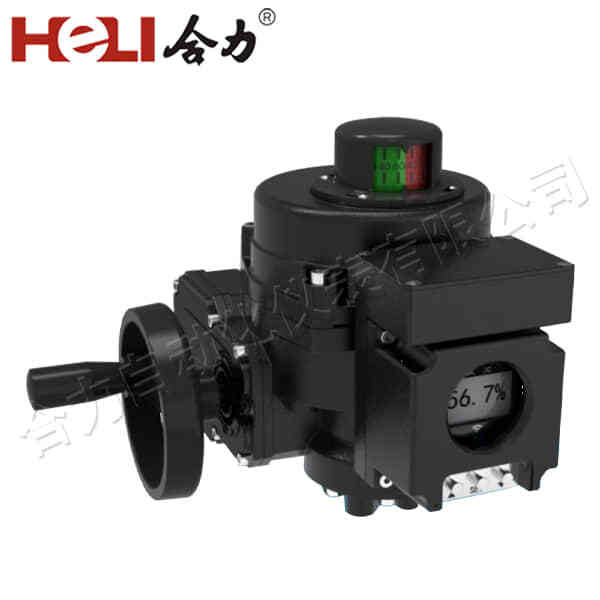
What is an Electric Actuator for Valves?
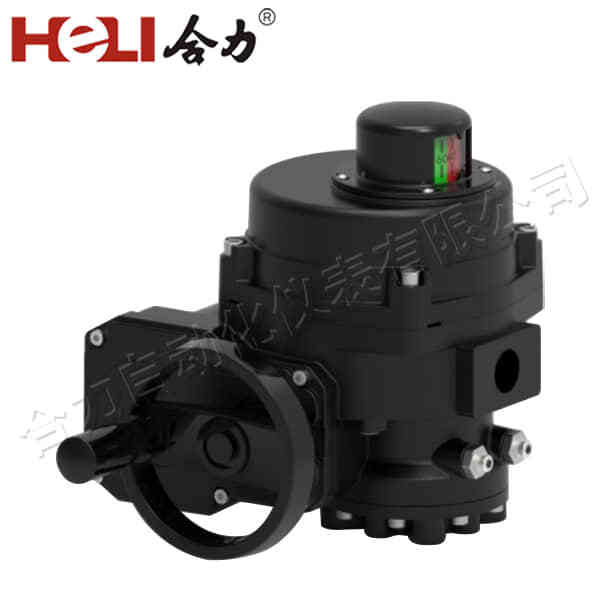
An electric actuator is a device that uses electric power to operate a valve, regulating the flow of substances in a pipeline or system. These actuators consist of an electric motor connected to a mechanical system that moves the valve’s mechanism (typically a stem or ball). When the actuator receives a signal, usually from a control system, it operates the valve to either open, close, or modulate the flow rate, depending on the process requirements. The electric actuator can either operate a valve fully or modulate its position based on the need for flow control. The actuator’s position can be adjusted by the control system using feedback sensors that monitor the valve’s position, ensuring precision and efficiency in process control.